Things to Do in Dakar in May
May weather, activities, events & insider tips
Low Season · Budget Friendly
May Weather in Dakar
Long-run averages for May
79°F (26°C)
High Temp
69°F (20°C)
Low Temp
0.0 inches (0 mm)
Rainfall
72%
Humidity
11
Sunny-Day UV
⚠ UV exposure reaches extreme levels under consistently clear skies. Unprotected sun exposure for even 20-30 minutes can cause significant burns, on the water at Gorée or Ngor beach where reflection intensifies the effect. SPF 50+ and physical cover are essential. Do not skip either.
⚠ Pre-rainy-season mosquitoes begin appearing at dusk near coastal areas and any pockets of standing water. Malaria prophylaxis is recommended for travel to Senegal, and DEET-based repellent should be applied before sunset and again before sleeping. Consult a travel health clinic at least four weeks before departure.
Making the most of May in Dakar? Browse tours and activities in Dakar on GetYourGuide.
Is May Right for You?
Weigh the advantages and considerations before booking
Advantages
- + May delivers the final stretch of guaranteed dry weather before June brings the rains. Every outdoor plan runs smooth. Gorée Island ferries operate without delay. Lac Rose day trips face zero weather risk. The Cap-Vert peninsula sees dawn-to-dusk clarity. The Atlantic horizon sharpens to a hard blue line. You will not see that clarity again until November.
- + Daytime temperatures settle at 26°C (79°F). Nights cool to 20°C (69°F). Warm enough for the beach. Cool enough to walk the Médina. July and August bring suffocating heat. May avoids that. The Atlantic breeze still reaches the Plateau most afternoons. It carries the salt-and-diesel scent of the port.
- + Tourist numbers collapse after March. The European winter crowd departs. Gorée Island's narrow lanes feel contemplative. The Maison des Esclaves loses its congestion. Corniche restaurant tables turn walk-in. January required reservations. May does not.
- + Atlantic swells hit Dakar's breaks with reliable consistency. Water temperature sits comfortable. No wetsuit needed. Ngor Right works. Ouakam works. The Almadies reef breaks work. Different tides favor different spots. Surfers have options daily.
Considerations
- − Humidity climbs to 72%. December through February saw 52%. You feel the moisture immediately. Morning air carries weight. Midday air carries more. Cool-season months feel lighter. Cotton breathes. Linen breathes. Synthetics become unbearable.
- − Cloudless skies bring relentless sun. UV hits extreme by mid-morning. Natural shade barely exists. The Plateau district offers none. Dakar's beaches offer none. Unprotected skin burns in 30 minutes. Sun discipline is non-negotiable.
- − Eight months of dry season show. The landscape outside central Dakar turns parched and brown. Lush tropical greenery? Not here. Baobabs stand stripped bare. Red laterite dust coats everything. The scrubland between Dakar and Lac Rose looks exhausted. Green returns in July.
Settled on May? Compare hotel prices in Dakar for your dates on Trip.com.
Best Activities in May
Top things to do during your visit
May hits Dakar on a dry, salt-tinged breeze. It carries grilled dibi lamb from roadside stalls in Ouakam. The Atlantic crashes against the volcanic headlands of Les Mamelles with a faint mineral tang. Average highs sit around 79°F. Lows hover near 69°F. The air holds comfortable warmth. It hasn't tipped into the heavy humidity of the approaching rainy season, which won't arrive until June. Rainfall in May is effectively zero. Days stretch unbroken from pale coral dawn over Ngor to burnt-orange sunsets. These silhouette the African Renaissance Monument against the western sky. This is the tail end of Dakar's long dry season. The city moves with particular ease. Fishermen at Soumbédioune beach haul pirogues ashore in late afternoon light. Their catches of thiof and capitaine stay slippery and gleaming. Meanwhile, neighbourhood ateliers in the Médina hum with sewing machines turning out wax-print fabrics. For travelers exploring the Senegalese capital, May has a practical advantage that peak winter months don't. The city's major sites are noticeably less crowded. These range from the coral-stone lanes of Gorée Island to clifftop trails around the Mamelles headland. Between November and February, European visitors dominate ferry queues and restaurant terraces. The ocean temperature off Dakar hovers in the mid-seventies Fahrenheit. It is warm enough for swimming at Plage de Yoff or the sheltered coves of Ngor Island. You won't encounter the jellyfish that occasionally drift inshore during hotter months. Nights cool enough to sleep without air conditioning if your window faces the sea breeze. Rooms inland in the Plateau district can hold the day's heat. Dakar's restaurant scene sits at full strength. It concentrates along Route de la Corniche-Ouest and in the residential streets of Almadies. Terraces open nightly serving thiéboudienne on wide enamel dishes. The rice stains rust-red with tomato and tamarind. The fish flakes apart under a crust of fermented locust-bean seasoning called netetu. Its pungent, umami-deep smell announces the dish before it reaches your table. The rhythm of Dakar in May is unhurried but not sleepy. Friday prayers at the Grand Mosque send a river of white boubous flowing down Avenue Blaise Diagne. Weekend markets at Sandaga and Kermel overflow with mangoes entering early season. Their skins blush from green to gold. This month rewards those who move slowly. You can linger at a café terrassé with bissap so tart it puckers the lips. Let the city's layered soundscape settle into background. The muezzin's call, the clatter of car rapides, the throb of mbalax bass from a passing taxi. An unhurried day.

7 Days in Senegal Private Tour package
private_tourThe 7 Days in Senegal Private Tour package compresses the country's full geographic range into a single week. It moves from Dakar's urban energy through the baobab-studded savanna of the Sine-Saloum Delta. There, water runs brackish and still between mangrove roots. Then it reaches the laterite roads of the Casamance in the deep south. Kapok trees tower above rice paddies. The air smells of woodsmoke and shea butter. The itinerary is privately guided. Departure times and detour requests bend to your schedule rather than a fixed group roster. Nights split between characterful lodges. Expect thatched-roof eco-camps where weaver birds stitching their nests overhead replace an alarm clock. You'll also find occasional city hotels with reliable plumbing and cold Gazelle beer on the rooftop.
A single-week arc across Senegal's ecological and cultural zones, privately paced, that eliminates the logistical burden of stitching together domestic flights, bush taxis, and regional guides on your own.
Insider tip: Ask your guide to add a stop at the weekly louma market in Kaolack if your route passes on a Sunday. The sheer acreage of dried fish, hand-dyed fabric, and livestock makes it one of West Africa's largest open-air trading grounds. The sensory overload of sun-baked salt flats and shouting merchants is unmatched.
This month: May's bone-dry conditions mean unpaved roads in the interior are firm and passable, unlike the rutted mud they become after July's rains begin.

Gorée Island - Pink Lake excursion 2 persons minimum
day_tripThe Gorée Island and Pink Lake excursion pairs Dakar's most historically weighty site with one of its strangest natural spectacles in a single day. The ferry from the port at the foot of Place de l'Indépendance takes roughly twenty minutes. As Gorée's ochre and terracotta colonial facades grow larger through the salt haze, engine noise fades. The slap of waves against the hull becomes the dominant sound. On the island, the Maison des Esclaves stands in muted coral stone. Its narrow doorway frames the Atlantic in a rectangle of blinding blue. A view whose emotional weight needs no narration. The afternoon leg continues to Lac Rose. The water, stained by Dunaliella salga algae, shifts between shades of strawberry and copper depending on the sun's angle. Local salt harvesters wade chest-deep in the brine. Their skin coats white and glistening.
Two of Senegal's most visually and emotionally indelible sites compressed into a single guided day, with the historical gravity of Gorée balanced against the surreal, almost alien palette of Lac Rose.
Insider tip: Board the first ferry departure to Gorée before midday tour groups arrive. The island's narrow lanes are quiet enough in early hours that you can hear wooden shutters creak and bougainvillea petals drip onto stone. The Maison des Esclaves guide gives a more personal account to smaller audiences.

Private Transfer DSS AIBD Airport - Saly Zone (two directions)
transportThe Private Transfer between Blaise Diagne International Airport and the Saly resort zone handles the roughly seventy-kilometre stretch of highway and coastal road. This separates Dakar's modern airport from the string of beachfront hotels south of Mbour. The drive passes through scrubby Sahel savanna punctuated by baobabs. These are so thick-trunked they look planted by a sculptor. Occasional roadside stands sell cashew fruit, bright yellow and astringent, smelling faintly of turpentine. These stack in enamel bowls. A pre-arranged vehicle eliminates the negotiation theatre of the airport taxi rank. There, meters are rare and fare disputes can sour the first hour of a trip.
A fixed-rate, door-to-door ride that removes the single most stressful friction point of arriving in Senegal, the airport-to-hotel transfer, and works in both directions.
Insider tip: If your flight lands after dark, confirm with the driver that the vehicle has functioning air conditioning before departure. Night driving on the N1 highway with windows up is far more comfortable than the alternative. The road surface is good enough that the ride should take under ninety minutes.

Discovery Senegal 8 Days 7 Nights
otherThe Discovery Senegal 8 Days 7 Nights itinerary stretches a day longer than its seven-day counterpart. It uses that extra time to reach deeper into the country's ecological seams. These include the tidal creeks of the Sine-Saloum Delta. There, you glide in a wooden pirogue beneath cathedral arches of mangrove. Oysters cling in dense clusters to exposed roots. Then there is the dry woodland around Niokolo-Koba. The red dust underfoot muffles your footsteps. The only sound is the whistle of a green turaco overhead. Accommodation alternates between simple bush lodges, where tap water tastes faintly of laterite and the shower is a bucket warmed by the sun, and more polished establishments near Saint-Louis. Crumbling French-colonial architecture lines the Senegal River in faded blues and yellows. The guided structure means internal logistics, border-crossing paperwork for the Casamance ferry, and the sometimes improvisational nature of Senegalese transport schedules are handled entirely by someone who knows the system.
Eight days gives the itinerary enough slack to linger where a tighter schedule would rush, a second morning in Saint-Louis, a longer pirogue ride into the delta's quieter channels, turning a tour into something closer to actual travel.
Insider tip: Pack a headlamp and lightweight binoculars. Several bush-lodge stays have no exterior lighting after the generator shuts off. The night sky over the Sine-Saloum, free of light pollution, reveals the Milky Way as a chalky band so dense it looks solid.
This month: May sits at the driest point of the year for much of the interior, and the Sine-Saloum's water levels are low enough that exposed mudflats attract concentrated wading-bird populations, flamingos, spoonbills, and painted storks, making pirogue excursions rewarding for birdwatchers.

Day Tour Bandia Wildlife Reserve and pink lake
guided_experienceThe Day Tour to Bandia Wildlife Reserve and the Pink Lake packs a morning game drive and an afternoon at Lac Rose into a single outing from Dakar. Bandia sits about sixty-five kilometres southeast of the capital. It occupies a pocket of fenced Sahelian woodland where reintroduced giraffes, rhinos, and giant eland move between acacia thickets. The crunch of dry grass under the vehicle's tyres and the low, resonant grunt of a white rhino browsing at close range feel improbable this near to a city of three million. The reserve's baobabs, some easily a thousand years old, have trunks wide enough to hide a car behind. Their bark stays smooth and silver-grey under the midday sun. From Bandia, the route continues to Lac Rose. The pink-to-copper water stretches flat and still under the afternoon glare. The smell of concentrated salt, sharp, almost metallic, fills the air as harvesters scrape the lakebed.
A compressed wildlife-and-landscape double bill that delivers both a genuine savanna encounter and one of Senegal's most photographed natural oddities without requiring an overnight stay.
Insider tip: Bring a long lens or zoom binoculars for Bandia. The rhinos are habituated enough to tolerate vehicles at moderate distance. The reserve's giraffes tend to browse in deeper bush, where a telephoto makes the difference between a silhouette and a portrait.

Mamelles Lighthouse and Ngor Island (Walking Tour)
walking_tourThe Mamelles Lighthouse and Ngor Island walking tour threads together two of Dakar's most distinctive coastal landmarks on foot. The route begins at the twin volcanic hills of Les Mamelles on the westernmost tip of the Cap-Vert peninsula. The lighthouse here, perched atop the taller hill, has a panorama that sweeps from surf crashing white against black basalt below to the concrete sprawl of the Ouakam neighbourhood. On a clear May morning, you can see the low silhouette of Gorée Island floating on the southern horizon. The descent passes beneath the colossal African Renaissance Monument. Its bronze-green surface catches the light differently at every angle. The walk continues to the fishing village at the Ngor beachfront. A short pirogue crossing, the hull rocking gently, the outboard coughing blue smoke, deposits you on Ngor Island's quiet sand. The only commerce is a handful of beachside restaurants serving grilled barracuda with lime and the cold bite of a Gazelle lager.
A walking-pace encounter with Dakar's volcanic geography, Atlantic coastline, and island village life that covers the city's most dramatic vantage points without ever requiring a vehicle.
Insider tip: Wear shoes with grip for the lighthouse hill. The concrete path is steep and can be slippery with morning dew. Time your Ngor crossing for mid-morning, when the pirogue queue is short and the island's beach restaurants are setting up rather than packed.
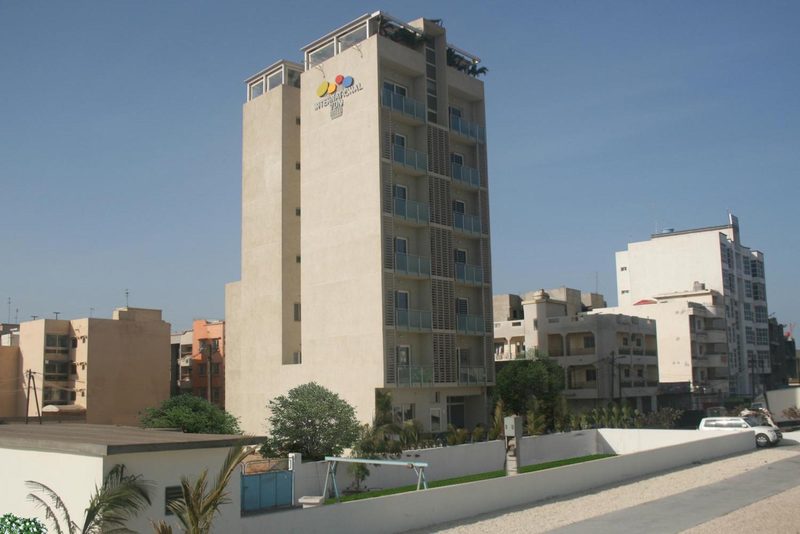
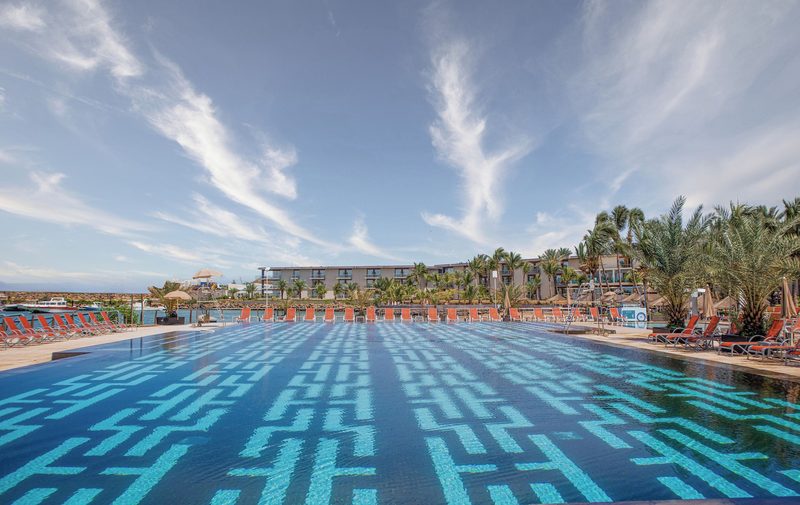
Where to Stay in Dakar in May
Hand-picked hotels across price tiers for May travellers.
Public Holidays in May
Dates that affect opening hours, transport and crowds
Labour Day
Observed nationwide as a public holiday.
Ascension Day
Observed nationwide as a public holiday.
Whit Monday
Observed nationwide as a public holiday.
Labour Day
Observed nationwide as a public holiday.
Ascension Day
Observed nationwide as a public holiday.
Packing Checklist
Bookmark this page — your progress is saved between visits
Need the full list with shopping links?
Climate-specific gear, brand recommendations, and what to leave at home.
View Dakar Packing List →Essential Tips
Insider knowledge and common pitfalls to avoid
Insider Knowledge
Learn three Wolof phrases before you land. 'Nanga def?' means How are you? 'Mangi fi rekk' means I'm fine. 'Jërëjëf' means Thank you. Senegal is a French-speaking country on paper. Wolof is the street language of Dakar. Even a clumsy attempt at greeting someone in Wolof changes the entire interaction. Doors open. Prices soften. Conversations become genuine instead of transactional.
Café Touba is Dakar's real coffee culture. Forget espresso. It is spiced with diar (selim pepper from Casamance) and cloves. Brewed dark and sweet. Sold from battered thermoses by vendors on nearly every Médina corner. It tastes like nothing you've had before. It costs almost nothing. Ask for it by name at any street stall. You'll get a nod of approval.
Walk the Corniche road from Ouakam past the Mosquée de la Divinité to Les Almadies at sunset. This is one of West Africa's great evening walks. Roughly 3 km (1.9 miles) along the cliff edge. The Atlantic crashes below. The African Renaissance Monument rises 49 m (161 ft) from the Collines des Mamelles. That colossal bronze figure of a man, woman, and child silhouettes against the last light. Locals jog here. Families gather on the rocks. Go on foot. Skip the taxi.
The Médina transforms after dark in May. The 26°C (79°F) daytime heat breaks around 7 PM. Families drag chairs and mats onto the sidewalks. Charcoal grills fire up for dibi (lamb grilled over open flame and chopped on wooden boards with raw onion and mustard). The neighborhood becomes a large open-air living room. Mbalax music drifts from radios and phones. Dominoes crack on wooden tables. The sweet green-tea ceremony of attaya brews in three progressively sweeter rounds. Conversations stretch past midnight. This is Dakar at its most itself.
Avoid These Mistakes
Skip the midday ferry to Gorée Island. The crossing is fully exposed. The island has minimal shade. By noon the volcanic stone paths radiate heat. A contemplative historical visit becomes an endurance march. Take the first morning ferry instead. It is cooler and quieter. You will experience the Maison des Esclaves in near-solitude before the day-trippers arrive.
Do not assume French alone will carry you through Dakar. It will get you understood. Wolof is the social currency. Taxi negotiations, market interactions, restaurant recommendations, and any conversation beyond the purely transactional all flow through Wolof. A visitor who opens with 'Nanga def?' is treated as a guest. One who opens with 'Excusez-moi' is treated as a tourist. The difference is tangible.
Do not underestimate the sun because the temperature reads a comfortable 26°C (79°F). The UV at this latitude under clear skies is extreme. The Atlantic breeze creates a false sense of coolness. It masks how hard the sun works. Visitors routinely burn within the first two hours on Ngor beach or walking the Plateau. Then they spend the rest of the trip in pain. Apply sunscreen before you leave the hotel. Carry it with you. Reapply constantly.
Short on time? See day trips around Dakar on GetYourGuide.
Ready to plan your trip to Dakar?
Now that you've got the research covered, here's where to go next.
Explore More Activities in Dakar
Didn't see anything interesting yet?
Browse Viator's full catalog of tours, day trips, food experiences, and private guides in Dakar.
See All Dakar Tours on Viator