Things to Do in Dakar in August
August weather, activities, events & insider tips
Low Season · Budget Friendly
August Weather in Dakar
Long-run averages for August
86°F (30°C)
High Temp
77°F (25°C)
Low Temp
6.5 inches (165 mm)
Rainfall
80%
Humidity
11
Sunny-Day UV
⚠ Flash flooding hits low-lying roads in Colobane, Parcelles Assainies, Grand Yoff, and parts of the Médina after heavy downpours. Standing water can reach knee height within an hour of a major storm, stranding vehicles and making some routes impassable until drainage catches up. Avoid crossing flooded roads on foot, as open drains beneath the water are invisible. Wait it out.
⚠ Mosquito-borne disease risk rises sharply. August's standing water breeds Anopheles mosquitoes carrying Plasmodium falciparum malaria, the most dangerous strain. Antimalarial prophylaxis, DEET-based repellent at dawn and dusk, and sleeping under treated nets are not precautionary, they are essential. No exceptions.
⚠ Atlantic currents along Dakar's coast are strong and unpredictable in August, at unguarded beaches like Plage de Yoff and the rocks below the Corniche. Rip currents pull hard during incoming tides. Swim only at beaches with visible lifeguard presence or alongside experienced local surfers. Respect the ocean.
Making the most of August in Dakar? Browse tours and activities in Dakar on GetYourGuide.
Is August Right for You?
Weigh the advantages and considerations before booking
Advantages
- + August clears Dakar of the package-tour crowds that mob Gorée Island from November through May. The Maison des Esclaves, which normally has a forty-minute queue snaking through its courtyard, is yours to stand in quietly. The IFAN Museum of African Arts on Place Soweto, one of the finest ethnographic collections in West Africa, feels like a private viewing. If solitude at major sites matters to you, this is the month.
- + The Atlantic swell machine is running at full power. Consistent overhead waves hit the reef break off N'Gor Island and the beach breaks along Yoff and Virage, and water temperatures sit around 25°C (77°F), warm enough for boardshorts. Dakar is already one of the best surf destinations on the African continent, and August is when the waves are most reliable.
- + Accommodation rates across Dakar drop to their lowest annual levels. Guesthouses in Almadies that command peak-season premiums in December or January open up rooms at budget-friendly rates, and availability is rarely an issue even with a week's notice. Flights from Paris, Brussels, and Casablanca also tend to run cheaper, making August one of the most affordable windows for a Dakar trip.
- + The city's pulse changes when the Senegalese diaspora returns for summer. Almadies and Ngor fill with Dakarois who live in Paris, New York, and Milan the rest of the year, and the nightlife along Route des Almadies runs hotter than any other month. Live mbalax shows multiply, open-air concerts pop up at the Promenade des Almadies, and the energy in Dakar's restaurants and bars is unmistakably local rather than tourist-facing.
Considerations
- − August is the peak of the hivernage, Dakar's rainy season, and 165 mm (6.5 inches) of rain is no abstraction. Downpours tend to arrive in violent late-afternoon bursts, the kind that turn the sky charcoal in ten minutes and dump enough water to flood the roads around Colobane and Parcelles Assainies within the hour. If you're relying on taxis or public transport, a heavy rain day can strand you for a couple of hours.
- − Humidity sits at a steady 80%, and combined with the 30°C (86°F) heat, outdoor exploration between midday and about 4 PM is uncomfortable. The air in Dakar's Médina, where concrete alleys trap heat, feels like it has weight. Even locals retreat indoors during the worst of the afternoon.
- − Mosquito populations spike sharply with the rains, and malaria is a real consideration. Dakar's urban density offers some protection compared to rural Senegal. But standing water in the Plateau district's colonial-era gutters and across the sandy lots of Ouakam breeds Anopheles through the whole month. Antimalarial medication is not optional.
Settled on August? Compare hotel prices in Dakar for your dates on Trip.com.
Best Activities in August
Top things to do during your visit
August sits in Dakar's rainy season. The city transforms. After months of bone-dry harmattan dust and relentless sun, Atlantic moisture finally breaks through in dramatic afternoon downpours. They hammer tin roofs across the Medina. Warm rivers course through the gutters of Plateau. The air hangs heavy at an average high of 30 degrees Celsius. It rarely dips below 25 even after dark. The 165 millimetres of rainfall that August delivers make it the wettest month by a wide margin. Mornings often open clear and steamy. The sky turns washed-out blue over Ngor and Yoff. Towering cumulonimbus columns build over the ocean by midday. They unleash an hour of hard, warm rain. The city smells of laterite soil and wet concrete. Locals call this season hivernage. Dakar moves to its rhythm. The rain greens the baobabs along the Corniche. It fills shallow depressions behind the Grande Mosquee with standing water where children splash. The ochre cliffs at Les Mamelles soften to a deeper rust. Restaurants along Almadies still fill nightly with grilled thiof and yassa poulet. Charcoal smoke mixes with the salt breeze. Diners shift under covered terraces rather than open-air tables. Nightlife along Route de Ngor carries on unbothered. Dakar's clubs and mbalax venues only pause for Ramadan, not rain. Beaches at Ngor, Yoff, and the Iles de la Madeleine remain swimmable. The Atlantic surf picks up noticeably. The water turns warmer and more opaque with sediment. For travelers willing to plan around afternoon storms, August has a Dakar that feels rawer, less polished, and more honestly itself than the manicured dry-season version. Safety is a common concern for first-time visitors. Dakar is broadly welcoming. Petty theft exists in crowded markets like Sandaga and on the Corniche after dark, as it does in any West African capital. Violent crime against tourists is rare. Standard city precautions apply. Keep phones out of sight in dense foot traffic. Take official taxis or ride-hailing apps after midnight. Avoid isolated stretches of beach alone at night. The Plateau, Almadies, Mermoz, and Fann neighborhoods all feel safe on foot during the day. Accommodation clusters around Plateau for heritage hotels, Almadies and Ngor for beachfront guesthouses, and the Corniche Ouest for higher-end stays with ocean views. Dining runs from sidewalk dibiteries serving smoky lamb over broken baguette to the French-inflected restaurants of Plateau, where the clatter of ceramic and murmur of Wolof and French fill rooms paneled in dark wood.

7 Days in Senegal Private Tour package
private_tourThe itinerary covers ground that would be logistically punishing to self-organize. Pirogue transfers, bush-camp overnights, and roads that deteriorate badly under August rains, all handled by a driver-guide who knows which river crossings remain passable. Each day develops at a pace set by the traveler, not a bus schedule. Stops are calibrated to the group's stamina rather than a fixed clock.
The only practical way to reach Senegal's remote southeast and the Sine-Saloum mangroves in a single trip without weeks of independent planning.
Insider tip: Ask your guide to route the Saint-Louis leg through Gandiol rather than the main highway so you pass the salt flats where the pink hue intensifies after the rains.
This month: August rains make some southeastern roads challenging. But the landscape turns dramatically green, the Sine-Saloum waterways swell to full navigability, and the Djoudj bird sanctuary near Saint-Louis begins filling with migratory waders arriving from Europe.

Gorée Island - Pink Lake excursion 2 persons minimum
day_tripThis excursion pairs the island visit with a drive south to Lac Rose. The shallow saline water glows milky pink against a shoreline crusted in white salt crystals that crunch underfoot like fresh snow.
Goree Island's emotional weight and Lac Rose's surreal color make this the single most visually and historically striking day trip from Dakar.
Insider tip: Catch the first ferry of the morning to walk Goree's cobblestone lanes before the later boats arrive, and bring a swimsuit for Lac Rose since floating in the hypersaline water is part of the experience.
This month: Lac Rose's pink coloration can diminish during heavy August rains as freshwater dilution lowers the salinity that the Dunaliella salina algae need, so manage expectations and enjoy the salt-flat landscape regardless.

Private Transfer DSS AIBD Airport - Saly Zone (two directions)
transportA private transfer removes the negotiation, metering uncertainty, and language friction of hailing a taxi at arrivals. The vehicle meets you at the terminal with your name on a board.
Eliminates the single most stressful transition point in a Senegal trip, the long airport-to-coast corridor that catches exhausted arrivals off guard.
Insider tip: Confirm with your driver whether the Sindia shortcut or the main toll road is faster on your travel day, since August flooding can make the shortcut impassable while the elevated toll road stays clear.
This month: August downpours frequently cause flash flooding on the airport highway, adding unpredictable delays to an already long transfer; a driver who knows the route's drainage points is valuable this month.

Discovery Senegal 8 Days 7 Nights
otherThe itinerary builds in overnight stays at lodges that range from eco-camps on the Saloum Delta's shell islands to restored colonial houses in Saint-Louis, each chosen for location rather than luxury branding. Meals lean heavily on local cuisine: thieboudienne with its smoky tomato base, mafe with its thick groundnut gravy, and freshly grilled capitaine pulled from the river that morning.
Covers the ecological and cultural breadth of Senegal in just over a week, from arid Sahel to tropical Casamance, with logistics handled end to end.
Insider tip: Pack a lightweight rain jacket that breathes rather than a heavy waterproof shell, because August humidity makes non-breathable fabrics unbearable within minutes, and the rain itself is warm.
This month: The Casamance leg of this itinerary reaches peak greenness in August, with flooded rice paddies creating mirror-like reflections and the Basse Casamance forests at their densest canopy, though some unpaved roads may require detours.

Day Tour Bandia Wildlife Reserve and pink lake
guided_experienceThe reserve sits on a rehabilitated former hunting ground, so the animal density is higher than a national park, and sightings come quickly. The second half of the day continues to Lac Rose, where the drive from the reserve passes through villages where the smell of attaya tea brewing over charcoal drifts from every doorway.
Pairs a genuine wildlife encounter with Lac Rose's otherworldly landscape in a single day, making it the most efficient nature excursion from the capital.
Insider tip: Bring binoculars for Bandia since the rhinos and elands often stand partially screened by acacia thickets, and sit on the left side of the vehicle for the best angle on the giraffe feeding area.
This month: August rains turn Bandia's scrubland visibly green, improving photographic contrast against the red laterite soil, and animals concentrate near water holes rather than dispersing, which can make sightings easier than in the dry season.

Mamelles Lighthouse and Ngor Island (Walking Tour)
walking_tourThe tour then descends to the fishing beach at Ngor. A short pirogue crossing delivers you to an island of sandy lanes, open-air seafood grills, and a sheltered beach where the water runs clear and warm over pale sand.
The lighthouse climb delivers the single most commanding panorama of Dakar's coastline, and the Ngor Island crossing adds a genuine village-beach contrast to the urban hike.
Insider tip: Wear shoes with grip for the lighthouse hill since the laterite path turns slick after rain, and negotiate pirogue fare before boarding at Ngor beach rather than upon arrival at the island.
This month: August swells make the short pirogue crossing to Ngor Island choppier than in calmer months. The boats still run. But travelers prone to motion sensitivity should time the crossing for morning when seas tend to be flatter.
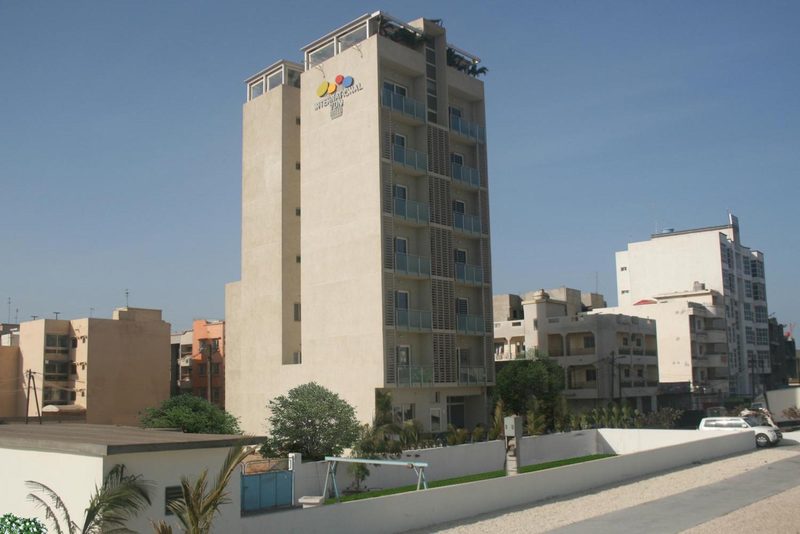
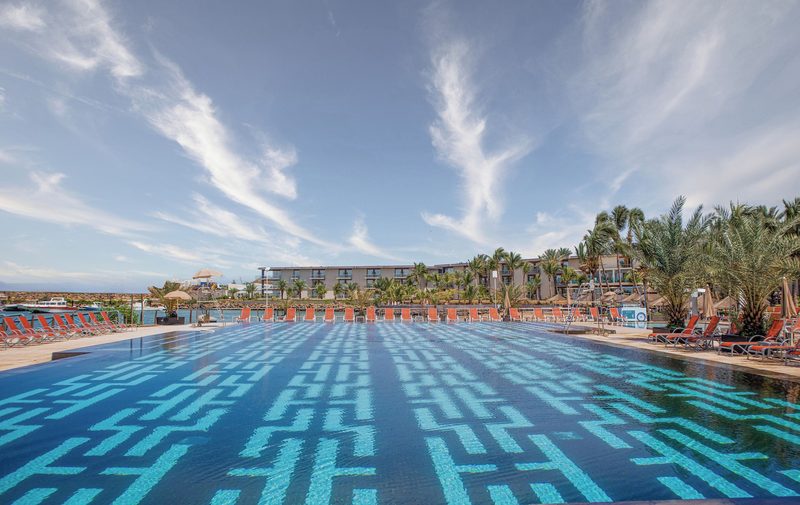
Where to Stay in Dakar in August
Hand-picked hotels across price tiers for August travellers.
Public Holidays in August
Dates that affect opening hours, transport and crowds
Assumption Day
Observed nationwide as a public holiday.
Assumption Day
Observed nationwide as a public holiday.
Packing Checklist
Bookmark this page — your progress is saved between visits
Need the full list with shopping links?
Climate-specific gear, brand recommendations, and what to leave at home.
View Dakar Packing List →Essential Tips
Insider knowledge and common pitfalls to avoid
Insider Knowledge
Dakar's teranga, the Wolof concept of hospitality, is not a tourist marketing phrase. It is how people live. If a Senegalese family invites you to share a bowl of thiéboudienne at lunchtime, they mean it. Refusing is a minor social offence. Eat with your right hand from the communal bowl. Take what is directly in front of you. The host will push the best pieces of fish toward you. This is likely the finest meal you will eat in Dakar. It will happen in someone's living room, not a restaurant.
Learn five Wolof phrases and watch Dakar open up: 'Nanga def' (how are you), 'Mangi fi' (I'm here, meaning I'm fine), 'Jërëjëf' (thank you), 'Naka ligéey bi' (how's work), and 'Ba beneen' (see you later). French is the official language and works everywhere. Wolof is the emotional language. The shift in how people treat you when you greet in Wolof is immediate and striking.
Negotiate taxi fares before you get in, always. Dakar's yellow-and-black taxis do not use metres. The opening price quoted to someone who looks like a tourist will be three to four times the local rate. Ask your guesthouse what the fair fare is to your destination. State that number confidently when the driver quotes. Be willing to walk to the next taxi. The ride from the Plateau to Almadies should cost a fraction of what you will initially be told.
The Corniche Ouest, the coastal road from Soumbédioune past the Mamelles to Almadies, is Dakar's best free experience and it peaks in August. Walk it in the early evening after the rain clears, when the air smells of wet laterite and salt. Joggers and wrestlers-in-training share the path. The Atlantic throws spray over the volcanic rock below. The sunset from the cliffs near the Phare des Mamelles lighthouse is better than anything you will pay to see.
Avoid These Mistakes
Planning a full day of outdoor sightseeing without accounting for the afternoon rain. Dakar's August downpours typically hit between 2 PM and 6 PM. They are not light showers. They are the kind of vertical deluge that empties the streets within minutes. Structure your day to be indoors or under cover by mid-afternoon. Save evening outings for after the sky clears around sunset.
Skipping antimalarial medication because Dakar feels like a modern city. It is, but the mosquitoes don't care about the high-rises. Falciparum malaria is present in Dakar, during August's rainy season. The consequences of an unprotected bite are serious. Consult a travel health clinic before departure and take the full course.
Attempting to visit Lac Rose expecting the famous pink colour in August. The lake's pink hue comes from Dunaliella salga algae that thrive in extremely salty water. August rains dilute the salinity significantly. The lake is likely to appear green or brownish rather than pink. The salt harvesters still work and the surrounding landscape is lush. If the pink lake is your primary reason for the excursion, save it for the dry season between November and May.
Short on time? See day trips around Dakar on GetYourGuide.
Ready to plan your trip to Dakar?
Now that you've got the research covered, here's where to go next.
Explore More Activities in Dakar
Didn't see anything interesting yet?
Browse Viator's full catalog of tours, day trips, food experiences, and private guides in Dakar.
See All Dakar Tours on Viator