Things to Do in Dakar in July
July weather, activities, events & insider tips
Low Season · Budget Friendly
July Weather in Dakar
Long-run averages for July
86°F (30°C)
High Temp
77°F (25°C)
Low Temp
2.1 inches (53 mm)
Rainfall
76%
Humidity
10
Sunny-Day UV
⚠ The onset of the rainy season brings a meaningful increase in mosquito populations across Dakar. Malaria prophylaxis is recommended, and repellent should be applied routinely from late afternoon onward. Standing water after storms creates breeding sites even in central neighborhoods.
⚠ Strong Atlantic currents and rip tides along the exposed western beaches of the Cap-Vert peninsula are a year-round hazard but relevant in July as the south swells increase. Swim only at beaches with known safe conditions, and heed local advice about specific spots.
⚠ Sudden heavy downpours can overwhelm drainage infrastructure in lower-lying neighborhoods, parts of the Médina and Parcelles Assainies. Street flooding is usually short-lived. Walking and driving gets difficult for an hour or two after a hard storm. Plan accordingly.
Making the most of July in Dakar? Browse tours and activities in Dakar on GetYourGuide.
Is July Right for You?
Weigh the advantages and considerations before booking
Advantages
- + Tourist crowds vanish once the rains arrive. Gorée Island, the Corniche, and Dakar's major cultural sites feel like a city living its life, not performing for visitors. The Maison des Esclaves, shoulder-to-shoulder from December through April, hosts just you and a handful of others in July.
- + Accommodation rates drop from dry-season peaks, in Almadies and Ngor where beachfront rooms command fierce competition during high months. Places needing months of advance booking in February take a week's notice in July.
- + The first real rains break five months of accumulated dust. The city softens, greens over, and shows something dry-season postcards miss entirely. Baobabs along the Plateau push new leaves. Bougainvillea erupts across compound walls. The air loses that chalky Saharan edge defining Dakar from January through May.
- + The Atlantic warms to comfortable swimming temperature. South swells arrive at breaks around Ngor and Ouakam. July ranks among the better months for getting wet, whether catching waves or floating off Plage de Ngor without a rashguard.
Considerations
- − Humidity at 76% hits hard if you arrive from dry climate. The heat at 86°F (30°C) looks manageable on paper. The moisture makes short walks feel heavier than expected. Air conditioning coverage in Dakar remains patchy outside higher-end accommodation.
- − Afternoon rain squalls roll in quickly. They tend toward short and theatrical, not all-day affairs. Still, they interrupt outdoor plans and make laterite roads in neighborhoods like the Médina slick, muddy. Drainage infrastructure has not kept pace. Some streets pool ankle-deep after hard downpours.
- − Mosquito activity increases meaningfully with the rains. Dakar carries moderate malaria risk during wet months. Bring repellent. Consider prophylaxis. Evenings outdoors, among the city's best offerings, require more planning around bites.
Settled on July? Compare hotel prices in Dakar for your dates on Trip.com.
Best Activities in July
Top things to do during your visit
July marks the pivot of Dakar's calendar year. After months of bone-dry Harmattan winds and relentless sun, the first rains of the hivernage season arrive on the Cap-Vert peninsula. Daytime temperatures hold around 30°C and nights rarely dip below 25°C, keeping the city in a persistent warm stillness broken only by weather. The month's rainfall remains modest at roughly 53 millimeters, a fraction of what August and September will deliver. Showers tend to arrive in concentrated afternoon bursts. A sky darkens in minutes. The heavy drumming of rain on corrugated tin rooftops. Then wisps of steam rise from the rust-colored laterite earth as the sun shoulders back through thinning clouds. The air between storms carries a mineral freshness that the long dry months never offer. The sparse vegetation on the outskirts of the city starts to flush green for the first time since the previous October. This is Dakar at its most distinctly Senegalese. The beaches along the Corniche Ouest, from the rocky shelves below the Plateau district to the broad sandy stretches off Yoff, hold water warm enough for long, unhurried swims. The Atlantic stays manageable before the deeper swells of late summer set in. Neighborhoods like Ouakam and the Medina carry the salt-edged smell of the ocean layered with woodsmoke from grilled thiof, the prized grouper that arrives at your table with its skin charred and crackling, set down alongside mounds of broken rice stained red with slow-cooked tomato. The dining scene stretches from polished terraces in the Almadies quarter, where the breeze off the water keeps the evening cool, down to sand-floored gargottes tucked into the Medina's narrow lanes. Family-size platters of thiéboudienne disappear in minutes there. The tang of tamarind juice cuts through the heat. After dark, the propulsive polyrhythmic drive of Mbalax music pours from clubs along Route de la Corniche. Open-air bars in Point E and Sacré-Cœur fill with the low hum of conversation and the steady clink of Gazelle bottles. For travelers weighing their timing, July occupies a favorable window in Dakar's year. The heaviest downpours of August and September have not yet set in. The early showers thin visitor numbers compared to the peak dry season between November and February. Ferries to Gorée Island keep their regular schedules. The countryside beyond the capital greens up with the first moisture. The ocean warmth makes any boat excursion comfortable. Dakar rewards direct engagement. Share an attaya tea ceremony with a shopkeeper as three rounds of progressively sweeter brew steep in small glasses. Walk the cliffside path between Les Mamelles as the sun drops copper and orange into the Atlantic. Navigate the tight lanes of the Medina where bolts of wax-print fabric hang from doorframes in stacks of indigo, gold, and vermillion. The city's reputation for personal safety among West African capitals holds up well. The usual awareness around crowded transport hubs and market areas applies, as it would in any large coastal city. Accommodation options range from budget guesthouses near the Plateau to upscale hotels in the Almadies and Ngor neighborhoods. The areas around Sacré-Cœur and Mermoz offer a middle ground that keeps you close to both restaurants and nightlife without the premium of a beachfront address.

7 Days in Senegal Private Tour package
private_tourThis week-long private circuit threads through Senegal's major landscapes at a pace that lets each one register fully. The route typically moves from Dakar south into the Sine-Saloum Delta, where mangrove-lined bolongs narrow into green tunnels barely wider than the wooden pirogue carrying you. The water is dark and still. The air carries the brackish smell of tidal mud. From there it pushes east toward the savanna country near Kédougou and the Bassari highlands, where rust-red earth and the silhouettes of enormous baobabs feel like an entirely different country from the coast. The rhythmic thud of millet being pounded in wooden mortars echoes between thatched compound walls.
A single booking that connects Dakar's Atlantic edge, the Casamance's tangled river country, and the eastern savannas into one continuous week without the logistical friction of arranging each segment independently.
Insider tip: Ask your guide to time the Sine-Saloum Delta segment for high tide, when pirogues can penetrate the deeper mangrove channels where pelican and heron colonies roost in dense, noisy aggregations that low water makes inaccessible.
This month: July's early rains begin greening the interior savannas after months of dry brown, improving contrast for spotting animals against fresh vegetation and drawing wildlife to newly filled seasonal waterholes.

Gorée Island - Pink Lake excursion 2 persons minimum
day_tripThe ferry from Dakar's port crosses the short stretch of Atlantic to Gorée Island in roughly twenty minutes. That is long enough to watch the Plateau skyline recede and the island's weathered colonial façades sharpen into focus, their ochre and terra-cotta walls rising above dark volcanic rock into cascades of magenta bougainvillea. The Maison des Esclaves stands at the island's southern tip, its narrow doorway opening directly onto the sea, a stark corridor whose meaning needs no embellishment and whose quiet weight stays with you long after you leave. The excursion then continues to Lac Rose, known locally as Lac Retba, where the shallow hypersaline water sits in a basin ringed by low dunes. Salt harvesters wade chest-deep, scraping the lake bottom with long wooden poles, their skin coated in shea butter against the brine. The crystallized salt gleams white on the shore and crunches underfoot as you walk the perimeter.
Two of Senegal's most recognized landmarks compressed into a single day, the solemn gravity of Gorée's history followed by the surreal, flat-light beauty of a salt lake unlike any other body of water on the continent.
Insider tip: Take the earliest ferry departure to Gorée and walk the island's cobblestone lanes before later boats arrive. The quiet of early morning, with the scent of flowering vines drifting over courtyard walls and only the sound of waves below, transforms the experience entirely.

Private Transfer DSS AIBD Airport - Saly Zone (two directions)
transportBlaise Diagne International Airport sits roughly 45 kilometers east of central Dakar, and the drive south to Saly, the beach resort strip along the Petite Côte, adds another stretch through flat, sandy terrain south of Rufisque. A private transfer eliminates the negotiation that greets every arrival at the terminal's taxi rank, where competing offers start before you have cleared the doors. It guarantees a vehicle with functioning air conditioning, a real consideration when you step from the terminal into July's thick, warm air, the tarmac radiating heat even after sundown. The route passes through small towns where roadside vendors sell roasted cashews in paper cones and the smoky perfume of grilling meat drifts from open-air stalls into the car.
The most reliable way to cover the airport-to-Saly corridor without the stress of fare haggling or deciphering shared-transport schedules after a long flight.
Insider tip: Confirm with the driver whether they will use the newer toll highway or the older coastal road through Rufisque. The toll road cuts travel time substantially and avoids the heavy congestion that can stretch the journey well beyond two hours.

Discovery Senegal 8 Days 7 Nights
otherThis eight-day route covers more ground than its seven-day counterpart, typically adding time in the Casamance region to the south or extending the eastern leg to include the Niokolo-Koba corridor along the Gambia River's upper reaches. The additional day allows for slower mornings. Sit with a host family over a breakfast of lakh, the warm millet porridge sweetened with soured milk and a thread of vanilla that Senegalese households prepare with unhurried ritual, the spoon scraping the bottom of a shared calabash. The itinerary stitches together geographic contrasts that feel like separate countries: the dry golden grasslands east of Tambacounda buzzing with insects, the thick gallery forests where filtered green light barely reaches the forest floor, and the palm-fringed tidal flats of the Casamance, where the air at dusk turns amber and smells of mangrove mud and salt.
The extra day over a standard week earns access to the deeper south or the Niokolo-Koba wilderness, where Senegal's landscape turns wild and the distance from Dakar makes anything shorter than an overnight impossible.
Insider tip: If the itinerary includes Casamance, request a meal at a local family compound rather than a hotel restaurant. The smoky, slow-cooked yassa poulet, its chicken marinated in sharp lemon and heaped caramelized onion then charred over hardwood coals, eaten from a communal bowl on a shaded terrace, is the most honest version of the dish anywhere in the country.

Day Tour Bandia Wildlife Reserve and pink lake
guided_experienceBandia Reserve lies about an hour south of central Dakar along the road toward Saly, its low acacia woodland enclosed behind a perimeter that keeps the resident wildlife concentrated and surprisingly visible. From an open-top vehicle, you move through terrain where giraffes browse the upper canopy with slow, deliberate neck turns. Rhinos stand in dusty clearings with a prehistoric indifference to your presence. The dry crackle of twigs underfoot gives way to dense birdsong in thicker patches of scrub. The second half of the day shifts to Lac Rose, and the transition from enclosed savanna to the flat, white-crusted shores of the salt lake feels like crossing into a different climate altogether. Coarse crystallized salt crunches beneath your shoes as you walk the shoreline. The distant calls of harvesters carry across the still, shallow water.
The only realistic way to see large African wildlife and Senegal's otherworldly salt lake in a single outing from Dakar, two radically different landscapes compressed into one day.
Insider tip: Bring binoculars for Bandia. The reserve is compact enough that most large animals are visible without them. But the birdlife in the acacia canopy rewards a closer look, the colonies of red-billed hornbills that chatter and jostle along high branches.

Mamelles Lighthouse and Ngor Island (Walking Tour)
walking_tourThe walk begins at the twin volcanic hills called Les Mamelles, where the lighthouse, one of the oldest on West Africa's Atlantic coast, stands at the westernmost point of the African mainland. The climb to its base is short but steep, the stone path worn smooth by decades of use. The payoff at the summit is an unbroken panorama: the Atlantic stretching to the horizon, the sprawl of Dakar curving south along the coast, and the green ridge of Cap-Vert dropping sharply to the sea with spray visible on the rocks far below. From here the tour descends to the fishing village of Ngor, where painted pirogues in turquoise, vermillion, and sun-faded yellow line the beach in tight rows, their hulls still fragrant with motor oil and dried salt. A brief pirogue ride, five minutes of cool salt spray and the rhythmic slap of the wooden hull on low waves, deposits you on Ngor Island, a sandy sliver with a handful of seafood restaurants and a quiet beach where the only sound is the wash of the surf and the occasional sharp call of a fish eagle circling overhead.
The single walk that captures Dakar's full geographic drama, volcanic sea cliffs, a working fishing village still operating as it has for generations, and a tiny offshore island, all in a half day on foot and by boat.
Insider tip: Time the walk so you reach the lighthouse in late afternoon. The westward-facing viewpoint catches the sun dropping toward the water, and the return pirogue crossing from Ngor Island happens during golden hour when the warm light on the painted fishing boats is at its richest.
Where to Stay in Dakar in July
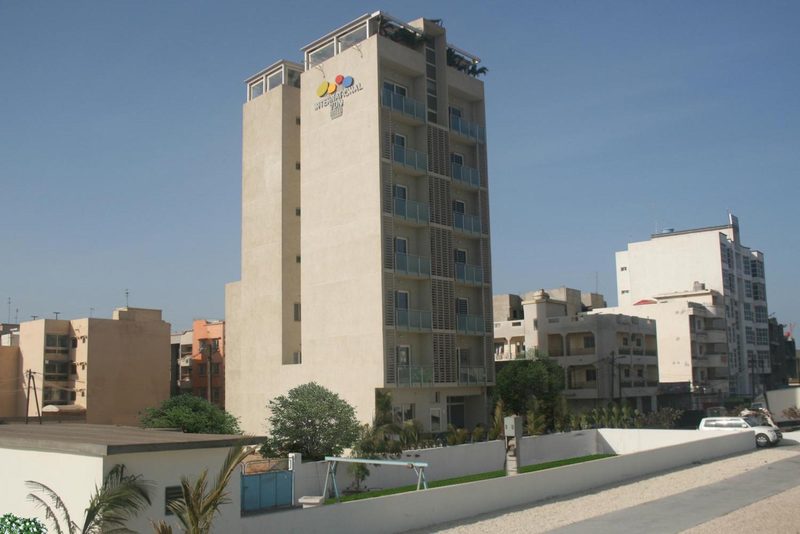
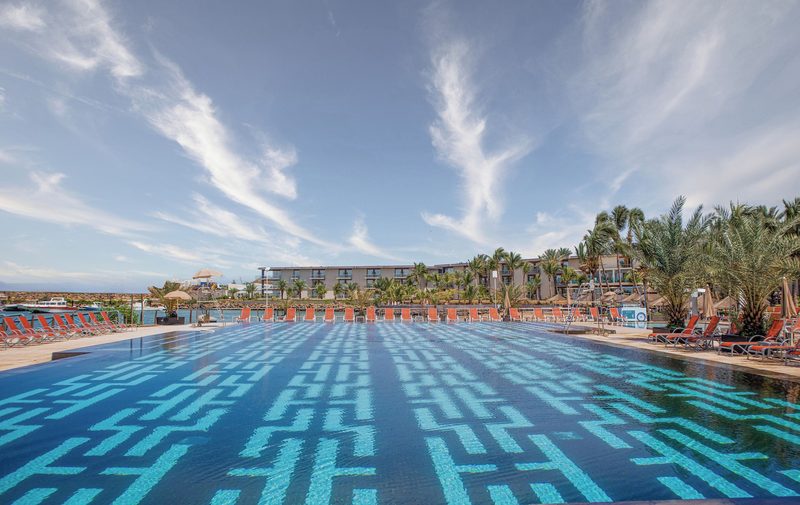
Hand-picked hotels across price tiers for July travellers.
Packing Checklist
Bookmark this page — your progress is saved between visits
Need the full list with shopping links?
Climate-specific gear, brand recommendations, and what to leave at home.
View Dakar Packing List →Essential Tips
Insider knowledge and common pitfalls to avoid
Insider Knowledge
Where you stay shapes your experience of Dakar more than most cities. The Plateau is walkable, central, and close to the Gorée ferry terminal and IFAN Museum. But it goes quiet after dark. The Almadies and Ngor neighborhoods have the beach access, the best restaurants, and Dakar's nightlife. But you will need a taxi to reach most cultural sites. Mermoz and Sacré-Coeur offer a more residential, distinctly Dakarois experience at lower rates. In July, with fewer visitors competing for rooms, you have the unusual luxury of choosing based on neighbourhood character rather than availability.
Dakar's nightlife revolves around mbalax, the percussion-heavy music style built on sabar drums that sounds like nothing else on the continent. Thiossane, the club that Youssou N'Dour opened in Sicap Liberté in the 1990s, is still the reference point. Nothing starts before midnight, and the real energy arrives around 2 AM. If you show up at 10 PM expecting a crowd, you will sit alone and wonder what went wrong. July weekends still draw strong local crowds regardless of the tourist calendar.
Learn three Wolof greetings and Dakar opens differently for you. 'Nanga def' is how are you, 'maa ngi fi' is I am fine, and 'jërejëf' is thank you. French is the official language and works everywhere. But Wolof is what people speak at home, in markets, and in the car rapides. Switching into Wolof, even badly, shifts the energy of every interaction from transactional to personal.
Dakar's tap rapide minibuses and car rapides are cheap and local. But they follow routes that are opaque to newcomers and the vehicles are often at capacity. For getting around reliably, app-based ride services work well in Dakar and are more affordable than negotiating with street taxis, where the opening ask is routinely several times the actual fare. Having a working local SIM with data makes this straightforward.
Avoid These Mistakes
Treating Dakar as unsafe and staying locked in a resort compound. Dakar is, by most measures, one of the safer major cities in West Africa. The real risks are petty theft in crowded market areas like the Sandaga zone and the Médina, aggressive taxi fare negotiation, and traffic that follows its own logic. Violent crime against tourists is uncommon. Walking the Corniche at dusk, eating at street stalls in the Plateau, sitting in a neighbourhood boutique watching a football match: these are normal Dakar evenings, not acts of recklessness. Use the same urban awareness you would bring to any large city, keep valuables out of sight in markets, and you will likely find the city warmer and more welcoming than you expected.
Planning every outdoor activity for the afternoon. In July, the morning hours between roughly 7 AM and 11 AM are golden: the temperature is still in the high 70s°F (mid-20s°C), the light is soft, and the markets are at their most active. By early afternoon, the heat and humidity peak, and this is also when rain is most likely to arrive. Locals retreat indoors for lunch and rest during the hottest hours, and following their rhythm rather than fighting it will transform your experience. Save indoor activities like the IFAN Museum of African Arts or the galleries along the Corniche for the post-lunch hours.
Assuming Dakar's beaches are all swimmable. The Atlantic currents off the Cap-Vert peninsula are strong and unpredictable, and several of the most photogenic stretches of sand, including parts of Plage de Yoff, have undertows that catch swimmers off guard. The calmer swimming is on the sheltered side of Ngor Island and at Plage de Ngor, where the island itself breaks the swell. Ask locals before getting in anywhere unfamiliar, and do not assume that the presence of other swimmers means conditions are safe for someone who does not know the water.
Short on time? See day trips around Dakar on GetYourGuide.
Ready to plan your trip to Dakar?
Now that you've got the research covered, here's where to go next.
Explore More Activities in Dakar
Didn't see anything interesting yet?
Browse Viator's full catalog of tours, day trips, food experiences, and private guides in Dakar.
See All Dakar Tours on Viator