Things to Do in Dakar in April
April weather, activities, events & insider tips
Low Season · Budget Friendly
April Weather in Dakar
Long-run averages for April
77°F (25°C)
High Temp
66°F (19°C)
Low Temp
0.0 inches (0 mm)
Rainfall
69%
Humidity
11
Sunny-Day UV
⚠ UV index reaches extreme levels on clear days in April. Dakar sits at 14°N latitude. By mid-spring the sun angle is nearly direct overhead at midday. Sunburn risk is high even on overcast mornings. The Atlantic breeze creates a dangerous false sense of coolness. Reapply sunscreen every two hours. Seek shade between 11 AM and 3 PM.
⚠ Malaria transmission persists year-round in Senegal. April's dry conditions keep mosquito populations lower than the July-through-October rainy season. Consult a travel health provider about antimalarial prophylaxis before departure. Use DEET-based repellent at dusk.
Making the most of April in Dakar? Browse tours and activities in Dakar on GetYourGuide.
Is April Right for You?
Weigh the advantages and considerations before booking
Advantages
- + April hits Dakar's dry season sweet spot. Zero rainfall. Daytime highs around 25°C (77°F). You can spend full days outdoors without the punishing heat that arrives by July. The Atlantic breeze off the Corniche keeps air moving. Mornings along the coast carry a coolness that makes early walks through the Plateau district pleasant rather than endurance exercises.
- + The Harmattan dust that hazes skies from December through February has cleared by April. Visibility over the ocean is sharp. Île de Gorée sits crisp on the horizon from the ferry terminal at the Port Autonome. Sunsets from the cliffs at Les Almadies, the westernmost point of mainland Africa, have that clean-edged quality. The Atlantic swallows the sun without a filter of Saharan particulate.
- + Crowd pressure at major sites drops after peak months of December through February. The ferry to Gorée, which can mean a ninety-minute queue on a January weekend, tends to have walk-up availability on April weekday mornings. Accommodation in neighborhoods like Ngor and Ouakam sits at shoulder-season rates. Better rooms for less outlay than the holiday rush.
- + Senegal's Independence Day on April 4th brings genuine civic energy. Parades along the Place de l'Indépendance. Live music spills out of neighborhoods from Médina to Parcelles Assainies well past midnight. This is one of the few times you see Dakar celebrate itself for Dakarois rather than for visitors. The atmosphere is infectious if you happen to be in town.
Considerations
- − April transitions toward Dakar's hotter months. By late afternoon, humidity at 69% feels heavier than temperature alone suggests. Moisture plus a UV index that hits 11 on clear days means sun exposure accumulates fast. Newcomers who spend a full day at Plage de Yoff or N'Gor without shade and reapplication will burn badly. Pack sunscreen. Reapply often.
- − Dakar's cultural calendar thins in April compared to November-through-March high season. The Dak'Art Biennale runs on even-numbered years, so 2027 misses it. The Saint-Louis Jazz Festival falls later in spring. If your trip is driven by major arts programming, April is quieter. You will need to make your own cultural itinerary rather than riding a festival wave.
- − The Senegalese wrestling season, la lutte, is active in April. But bouts are scheduled irregularly and promoted through word of mouth and local radio. If you arrive expecting a fixed event calendar, you will be frustrated. Finding when and where the next match happens requires asking around in Wolof or through a well-connected local contact. The arenas in the banlieue are not designed with foreign visitors in mind.
Settled on April? Compare hotel prices in Dakar for your dates on Trip.com.
Best Activities in April
Top things to do during your visit
Dakar in April sits at the tail end of the dry season. The Atlantic trade winds still sweep the Corniche. The air holds a clarity that summer rains will later dissolve. Daytime temperatures settle around 25°C. Cool enough to walk the sandstone bluffs of Les Mamelles. Cool enough to linger over thiéboudienne at a beachside restaurant. You won't face the heavy, salt-thick humidity that arrives with the monsoon in July. Nights drop to a comfortable 19°C. Rainfall is effectively zero. The sky over Dakar stays a hard ceramic blue from dawn until the sun drops into the ocean off Ngor. For travelers weighing when to arrive, April delivers the city at its most physically forgiving. Weeks before the first showers of June change the rhythm entirely. This is the season when Dakar's outdoor life operates without interruption. Fishermen at Soumbédioune haul pirogues painted in greens and yellows onto the sand before sunrise. The smell of fresh catch and charcoal smoke drifts across the coastal road. In the Plateau district, the terracotta facades of colonial-era buildings throw sharp shadows across sidewalks. Vendors sell café Touba from thermos flasks there. Its peppery, clove-laced warmth cuts through the cool morning air. The beaches at Yoff and Ngor are swimmable and relatively uncrowded. The turquoise Atlantic stays flat enough for the wooden pirogues that ferry passengers to Ngor Island. Safety in Dakar follows the patterns of any large West African capital. Keep valuables close in Sandaga Market. Take official taxis after dark. Stick to well-lit streets in Médina at night. The overwhelming majority of encounters with Dakarois are marked by the fierce Teranga hospitality that Senegal is known for. Restaurants across the city serve everything from slow-braised mafé with peanut sauce to grilled capitaine fish dusted in yassa onion marinade. The dining scene in Almadies has grown sharply in recent years without losing its local identity. Nightlife in Dakar peaks on weekends at clubs along Route de Ngor and in Almadies. Mbalax music keeps rooms moving past three in the morning. All rolling sabar drums and staccato vocals. For those asking what there is to do around Dakar beyond the city center, the answer extends well into the surrounding region. The rose-tinted waters of Lac Retba lie northeast of the capital. The Bandia Wildlife Reserve shelters rhinos and giraffes in baobab savanna an hour south. Gorée Island sits a twenty-minute ferry ride off the coast. Its pastel houses and sobering history draw visitors year-round. April's bone-dry weather means none of these excursions carry the logistical friction of muddy roads or cancelled boats that the wet season sometimes brings.

7 Days in Senegal Private Tour package
private_tourA private, guide-led week that moves from Dakar's Atlantic headlands through Casamance mangrove creeks and east toward the Sine-Saloum Delta's laterite plains, with early starts, 4x4 crossings, and lodge evenings.
A single week that threads Dakar's coastal energy, the Casamance's tangled waterways, and the Sahel's open savanna into one private, guide-led circuit.
Insider tip: Ask your guide to schedule the Saint-Louis leg for late afternoon. The low sun turns the colonial facades along the Senegal River a deep amber then. The resident pelicans return to roost on the Langue de Barbarie sandbar.
This month: April's zero rainfall means unpaved roads in the interior are firm and passable. River crossings that become difficult in August and September present no obstacle.

Gorée Island - Pink Lake excursion 2 persons minimum
day_tripA single-day pairing of Gorée Island and Lac Retba, combining a ferry crossing, the Maison des Esclaves, and a salt lake whose high salinity turns pink under the right light.
Gorée Island's emotional gravity and Lac Retba's surreal color make this the single most visually and historically dense day trip from Dakar.
Insider tip: Arrive on Gorée before the late-morning ferry crowds by booking the earliest departure. The Maison des Esclaves is quietest in the first hour after opening. The light through the Door of No Return faces the Atlantic without glare then.

Private Transfer DSS AIBD Airport - Saly Zone (two directions)
transportA fixed-rate, air-conditioned private transfer covering the roughly 50-kilometer corridor between Blaise Diagne International Airport and the Saly resort zone, meeting travelers at arrivals with a name board.
Eliminates the friction of airport arrival in an unfamiliar city, covering the AIBD-to-Saly corridor in a fixed-rate, air-conditioned vehicle with no negotiation required.
Insider tip: Confirm your flight number with the operator at least 24 hours before arrival so the driver can track delays. Blaise Diagne's terminal has limited seating. It has no reliable in-terminal transport to Saly if your pickup misses you.

Discovery Senegal 8 Days 7 Nights
otherAn eight-day, seven-night loop that adds Djoudj Bird Sanctuary and Sine-Saloum shell-island channels to a deeper Senegal itinerary, with unhurried mornings, delta islands, and Saint-Louis evenings.
The extra day over the seven-night itinerary opens Djoudj and the Sine-Saloum, two ecosystems that most Dakar visitors never reach.
Insider tip: Pack binoculars for the Djoudj segment. The sanctuary holds one of the largest pelican breeding colonies in West Africa. The birds are visible from the pirogue. They are far more dramatic at magnification.
This month: April is the tail of the dry season at Djoudj. Receding water concentrates wading birds around the remaining pools then. Birding density tends to be higher than in the wet months.

Day Tour Bandia Wildlife Reserve and pink lake
guided_experienceA full-day outing south of Dakar combining a visit to Bandia Wildlife Reserve's baobab savanna with Lac Retba's pink salt lake.
Bandia is the closest place to Dakar where you can see rhinos and giraffes in semi-wild savanna. Pairing it with the Pink Lake makes the day feel like two countries in one.
Insider tip: Bring a hat and a liter of water for the Lac Retba stop. The salt flats around the lake offer zero shade. The reflected glare off the white-crusted shore is intense even in April's moderate temperatures.

Mamelles Lighthouse and Ngor Island (Walking Tour)
walking_tourA half-day walking tour linking Les Mamelles lighthouse, panoramic coastal views, the fishing village below, and a pirogue crossing to Ngor Island.
The walk links Dakar's highest natural viewpoint with its most intimate island. It covers the city's full vertical range from hilltop lighthouse to sea-level sandbar in a single morning.
Insider tip: Wear shoes with grip for the lighthouse hill. The volcanic rock is loose in places. The path is uneven, on the descent toward the fishing village where dried fish scales make the footing slippery.
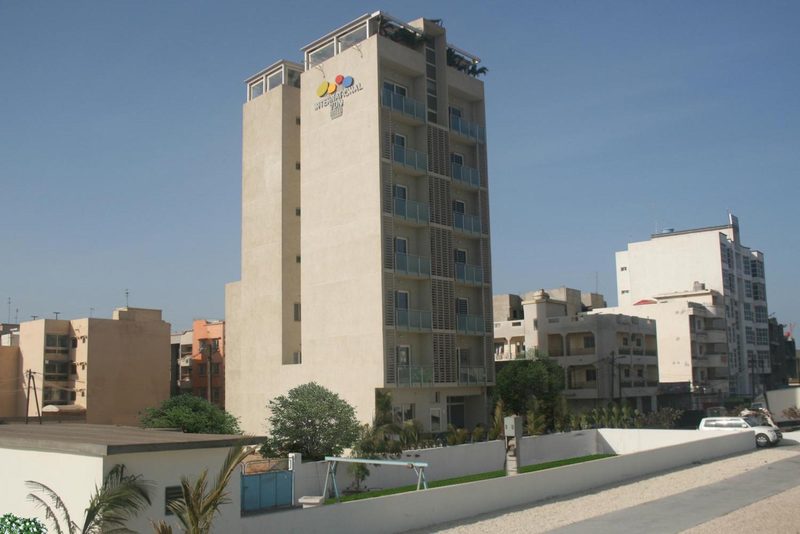
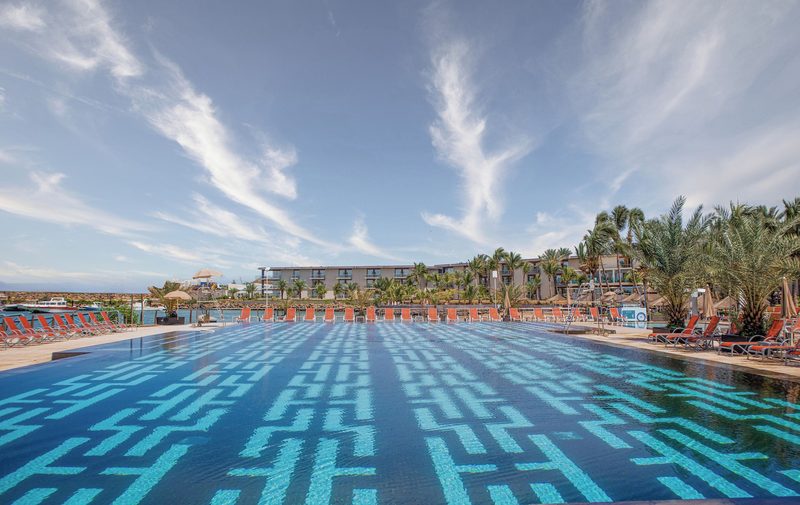
Where to Stay in Dakar in April
Hand-picked hotels across price tiers for April travellers.
Public Holidays in April
Dates that affect opening hours, transport and crowds
Independence Day
Observed nationwide as a public holiday.
Independence Day
Observed nationwide as a public holiday.
Easter Monday
Observed nationwide as a public holiday.
Packing Checklist
Bookmark this page — your progress is saved between visits
Need the full list with shopping links?
Climate-specific gear, brand recommendations, and what to leave at home.
View Dakar Packing List →Essential Tips
Insider knowledge and common pitfalls to avoid
Insider Knowledge
Dakar's neighborhood geography matters more than maps show. The Plateau holds the administrative and colonial center. It is walkable and grid-planned. But the city's pulse runs through Médina, the dense residential quarter just north. Streets narrow to alley width. Youssou N'Dour blasts from tinny speakers. Metalworkers clang rhythmically. Ouakam and Ngor sit on the Almadies peninsula. Surf culture and nightlife cluster there. The energy is younger and faces the Atlantic. Know your neighborhood. It saves hours in cross-city taxis during rush hour traffic that barely moves.
Dakar is safe by West African standards. Violent crime against visitors is rare. Petty theft and scams concentrate in specific zones: the area around Marché Sandaga, the ferry terminal during boarding rushes, and the nightlife strip in Almadies after midnight. Keep valuables close. Do not flash phones. Negotiate taxi fares before getting in. The bigger adjustment is cultural rather than criminal. Dakar runs on teranga, the Wolof concept of hospitality. Most interactions are genuine rather than transactional. Learn the Wolof greeting sequence. It runs to five or six exchanges about health, family, and peace before any business is discussed. This will change how people receive you more than any safety tip.
Skip the tourist restaurants in the Plateau. They serve adapted versions of Senegalese food. Eat where the communal bowl comes out at lunchtime. Thiéboudienne is served from enormous shared platters. Eat with the right hand. The best versions are in neighborhood tanganas, the small family-run lunch spots where a woman cooks one dish per day for a crowd of regulars. The etiquette is simple. Eat only from the section of the bowl directly in front of you. The host will push the best pieces of fish toward you as a guest. It is the single most direct entry point into Senegalese social life. It costs almost nothing.
April is the last comfortable month for extended outdoor time. The heat and humidity ramp up in May and June. Locals know this. The Corniche fills with joggers and football pickup games in the late afternoon. If you are a runner, the stretch from the Phare des Mamelles to Ngor, roughly 6 km (3.7 miles) along the cliff tops, is one of the great urban running routes in Africa. Ocean on your left. The monument looming above. The sound of waves hitting volcanic rock below. Go before 8 AM or after 5 PM. Avoid the direct sun.
Avoid These Mistakes
Underestimating Dakar's sprawl and traffic is a common error. The city spreads across the entire Cap-Vert peninsula. A trip from the Plateau to the Almadies that looks like 8 km (5 miles) on a map can take over an hour in afternoon traffic. The autoroute toll road has eased things for longer trips toward the airport or Lac Rose. Within the city center, around the Colobane and Grand Dakar intersections, traffic locks solid. Plan activities by neighborhood cluster. Do not try to cross the city twice in one day.
Assuming French is enough everywhere will limit your experience. Dakar is officially Francophone. French works in hotels, restaurants, and formal settings. The street language is Wolof. In markets, taxis, and neighborhood tanganas, a few Wolof phrases unlock an entirely different reception. Nanga def (how are you), mangi fi (I am here, I am fine), and jërëjëf (thank you) are the minimum. The greeting ritual matters. Rushing past it to get to your question is read as rude. Even if your Wolof is terrible.
Treating the beach as an all-day lounging destination without sun strategy is a mistake. Dakar's beaches, from Plage de Yoff to the smaller coves along the Corniche, are gorgeous in April. The UV exposure is extreme. The breeze off the Atlantic masks how quickly you are burning. Visitors who spend a full morning-to-afternoon session without shade and reapplication end up with burns that ruin the next two days. The local pattern is instructive. Dakarois hit the beach in the late afternoon, from about 4 PM. The light is golden then. The sand has released some of its stored heat.
Short on time? See day trips around Dakar on GetYourGuide.
Ready to plan your trip to Dakar?
Now that you've got the research covered, here's where to go next.
Explore More Activities in Dakar
Didn't see anything interesting yet?
Browse Viator's full catalog of tours, day trips, food experiences, and private guides in Dakar.
See All Dakar Tours on Viator