Things to Do in Dakar in June
June weather, activities, events & insider tips
Low Season · Budget Friendly
June Weather in Dakar
Long-run averages for June
83°F (28°C)
High Temp
74°F (23°C)
Low Temp
0.3 inches (8 mm)
Rainfall
78%
Humidity
10
Sunny-Day UV
⚠ Late June brings the first pre-hivernage storms. Sudden, heavy downpours last thirty to forty-five minutes. They flood low-lying roads in the Médina and parts of the Plateau. These are not the sustained rains of July and August. They arrive fast. Little warning. Carry your rain shell after mid-month.
⚠ Mosquito activity rises in June as humidity builds. Malaria prophylaxis is strongly recommended. Apply DEET-based repellent at dusk and overnight. Rooms without screened windows or mosquito nets warrant reconsideration. Do not skip this.
Making the most of June in Dakar? Browse tours and activities in Dakar on GetYourGuide.
Is June Right for You?
Weigh the advantages and considerations before booking
Advantages
- + June marks the final full month of dry season before July's hivernage rains arrive. You get reliably clear skies and warm Atlantic breezes. The dusty harmattan haze that blankets Dakar from December through February has cleared. Outdoor plans rarely get washed out. This is your window.
- + Shoulder season pricing kicks in hard. Accommodations in the Almadies and Plateau districts drop noticeably from the November-to-April peak. You can often book a well-located guesthouse with a week's notice rather than a month's. The savings are real.
- + The Atlantic warms to comfortable swimming temperatures, hovering around 24-26°C (75-79°F). Surf breaks off the Almadies peninsula and Ngor pick up consistent southern swells. The violent chop of August and September has not arrived yet. Conditions settle.
- + Cultural access is easiest now. Île de Gorée, the IFAN Museum on Place Soweto, and the African Renaissance Monument all see lighter visitor numbers than the dry-season peak. Shorter ferry queues. Quieter galleries. More breathing room at sites where the emotional weight deserves it. Go now.
Considerations
- − Humidity climbs to around 78% in June. You feel it. Mornings start sticky. By early afternoon the air in the Médina quarter or along the Corniche sits heavy on your skin. The ocean breeze at the Almadies headland helps. Step two blocks inland and it disappears. Prepare accordingly.
- − Mosquitoes ramp up as moisture builds. Dakar sits in a malaria zone. June is when the anopheles population climbs ahead of the rains. Prophylaxis is not optional. Repellent becomes a twice-daily habit, not an afterthought. Take this seriously.
- − The cultural calendar between Tabaski and the rainy-season festivals feels quieter than other months. June lacks the intensity of Senegal's major religious celebrations. Some live music venues in the Almadies run lighter schedules before summer fully arrives. Plan around this.
Settled on June? Compare hotel prices in Dakar for your dates on Trip.com.
Best Activities in June
Top things to do during your visit
June in Dakar sits at a hinge point in the year. The long, bone-dry season that stretches from November through May is finally loosening its grip. The first faint signals of the rainy months ahead begin to register: a thickening of the air, an occasional afternoon cloud that darkens the ocean horizon off the Corniche before dissolving into nothing. Average highs reach 28°C and lows hover around 23°C. That is warmer than the surprisingly temperate winter months but still far from the sweltering August peaks. Rainfall in June amounts to a negligible 8 millimeters for the entire month, so the city remains functionally dry. You can plan outdoor days with near-total confidence. The rising warmth means mornings and late afternoons are the hours to claim. The character of Dakar in this transitional window is distinct. Neighborhoods like the Plateau still carry the salt-laced breeze off the Atlantic. The volcanic basalt of the coastline radiates stored heat well into evening, when families spill onto the seafront promenade at Anse Bernard and the smoke from grilling thiof fish drifts across the road. The pace of the city has not yet shifted into the indoor retreat that the July and August rains impose. Restaurant terraces in Almadies stay open late, and the beaches at Yoff and Ngor still draw swimmers rather than storm-watchers. For travelers arriving at Blaise Diagne International Airport, the drive into the capital passes through baobab-dotted scrubland that is still tawny and dry. The green flush of the rains is still weeks away. Dakar in June rewards those who want the city on its own terms: unhurried, warm without being punishing, and oriented outward toward the ocean that defines its peninsula geography.

7 Days in Senegal Private Tour package
private_tourThe seven-day private tour across Senegal uses Dakar as both launchpad and return point, threading through the country's geographic range in a single week. The itinerary typically moves south into the Casamance's thick mangrove estuaries, where the tidal creeks smell of wet earth and oyster shells, and east toward the golden savanna around Niokolo-Koba, where the dry-season grasses crackle underfoot and the air hums with insect life at dusk. Along the way you encounter Serer fishing villages where painted pirogues line the sand, Bassari hill country where red laterite paths wind between stone-walled compounds, and the Sine-Saloum delta where pelicans glide low over water the color of weak tea.
A single week that covers Dakar's urban Atlantic edge, the deep south's tropical forests, and the eastern savanna, with a private guide calibrating every day to your pace.
Insider tip: Ask your guide to schedule the Casamance segment early in the itinerary, when your energy for long overland stretches is highest and the southern roads are still firm before July rains begin to soften them.
This month: June's near-zero rainfall means interior roads and river crossings remain passable, an advantage that disappears rapidly once the rains arrive in earnest from July onward.

Gorée Island - Pink Lake excursion 2 persons minimum
day_tripThe excursion pairs two of Senegal's most visually arresting sites into a single day. Gorée Island, a twenty-minute ferry ride from Dakar's port, is a place of narrow lanes flanked by colonial-era buildings whose ochre and terracotta facades peel in the salt air, bougainvillea cascading purple and magenta over crumbling stone walls. The Maison des Esclaves stands at the island's southern tip, its dark holding cells opening onto a rear doorway that frames the Atlantic in blinding blue, a site whose emotional weight silences most visitors. The second stop, Lac Rose, sits northeast of Dakar, and its shallow, hypersaline water can take on a rose-pink tint caused by Dunaliella salina algae, vivid when the sun is high and the wind is calm. Salt harvesters wade chest-deep in the lake, their skin coated in shea butter against the brine, scooping crystalline mounds onto the shore where they dry in white pyramids that catch the light.
Two landmarks that define Senegal's identity, one historical and one geological, compressed into a day that moves from the somber gravity of Gorée to the surreal palette of the pink lake.
Insider tip: Board the first morning ferry to Gorée before the midday tour groups arrive, and carry water since the island's few shops charge a premium.

Private Transfer DSS AIBD Airport - Saly Zone (two directions)
transportThe private transfer between Blaise Diagne International Airport and the Saly resort zone covers roughly 45 kilometers of highway through the Petite Côte corridor. For travelers landing after a long-haul flight, the value is immediate: you bypass the shared taxi negotiation at arrivals and the stop-start congestion of the national road, settling instead into an air-conditioned vehicle while the flat, sun-bleached landscape of the Thiès region rolls past. The route passes through small towns where roadside vendors stack pyramids of mangoes and cashew fruit under corrugated tin shelters, and the red earth shoulders of the highway are busy with horse-drawn carts and painted car rapides heading in the opposite direction toward Dakar.
A fixed-cost, door-to-door transfer that eliminates the most stressful hour of any Senegal trip, the airport-to-coast gauntlet.
Insider tip: Confirm your pickup time accounts for potential flight delays. Drivers for this service typically monitor arrival boards, but a WhatsApp message with your flight number smooths the handoff.

Discovery Senegal 8 Days 7 Nights
otherThe eight-day, seven-night discovery tour is the most expansive structured itinerary available from Dakar, designed to cover Senegal's geographic breadth rather than concentrate on the capital. From the teranga warmth of Saint-Louis, where the Senegal River meets the Atlantic and French colonial architecture lines the old island quarter, to the bird-dense wetlands of Djoudj, where thousands of pelicans, flamingos, and cormorants crowd the waterways in squawking, flapping colonies, the route builds a layered portrait of the country. Evenings on this tour often end in lodges where the sounds of the surrounding bush filter through screened windows: the rhythmic thrum of crickets, the distant bark of a jackal, the low murmur of a Wolof conversation from the staff quarters.
Eight days that move methodically from the Atlantic coast through river delta, savanna, and back, building a cumulative understanding of Senegal that a city-only visit cannot replicate.
Insider tip: Pack a pair of lightweight binoculars for Djoudj and the Sine-Saloum segments, since the birdlife is the centerpiece and guides cannot always position boats close enough for naked-eye detail.
This month: The dry ground in June means vehicle access to remote lodges and wetland observation points remains straightforward, a logistical advantage over the July through September wet season.

Day Tour Bandia Wildlife Reserve and pink lake
guided_experienceThe day tour to Bandia Wildlife Reserve and Lac Rose compresses two contrasting landscapes into a single outing from Dakar. Bandia, a fenced reserve about an hour's drive southeast of the capital, shelters giraffes, rhinos, giant elands, and several antelope species in a dry woodland of baobabs and thorny scrub. The vehicle moves slowly on sandy tracks while a guide spots animals in the dappled shade, and the dry-season visibility in June means the undergrowth is thin enough to see deep into the tree line. After Bandia, the route continues to Lac Rose, where the shallow, mineral-laden water reflects the afternoon sun in tones that range from salmon to deep magenta depending on algae concentration and cloud cover. The smell of salt is immediate and sharp, almost metallic, and the crunch of crystallized brine underfoot sounds like walking on fresh snow.
A single day that delivers both a safari encounter and one of West Africa's most photographed natural phenomena, all within easy reach of Dakar.
Insider tip: Sit on the right side of the vehicle in Bandia for the best sightlines toward the watering areas where giraffes tend to congregate in late morning.

Mamelles Lighthouse and Ngor Island (Walking Tour)
walking_tourThe walking tour links two of Dakar's most rewarding west-facing landmarks on the Mamelles peninsula. The Mamelles Lighthouse, perched on the higher of the twin volcanic hills that give the neighborhood its name, has a panoramic sweep of the Atlantic coast, the Almadies headland, and the rooftops of Ouakam below, where you can hear the call to prayer from neighborhood mosques layered over the crash of surf against the rocks. The trail then descends toward the coast and crosses by pirogue to Ngor Island, a small, car-free island where narrow sandy paths wind between low-rise buildings painted in sun-faded blues and greens. The island's western beach faces open ocean, and the water here is a clear, cool turquoise that draws swimmers and surfers alike. The smell of grilled fish from beachside vendors mixes with the iodine tang of seaweed drying on the rocks.
A half-day walk that climbs to the highest viewpoint on Dakar's peninsula and then drops to a quiet island that feels a world removed from the city visible across the channel.
Insider tip: Wear shoes with good grip for the lighthouse climb, which involves uneven volcanic stone, and negotiate the pirogue fare before boarding at the Ngor embarkation point.
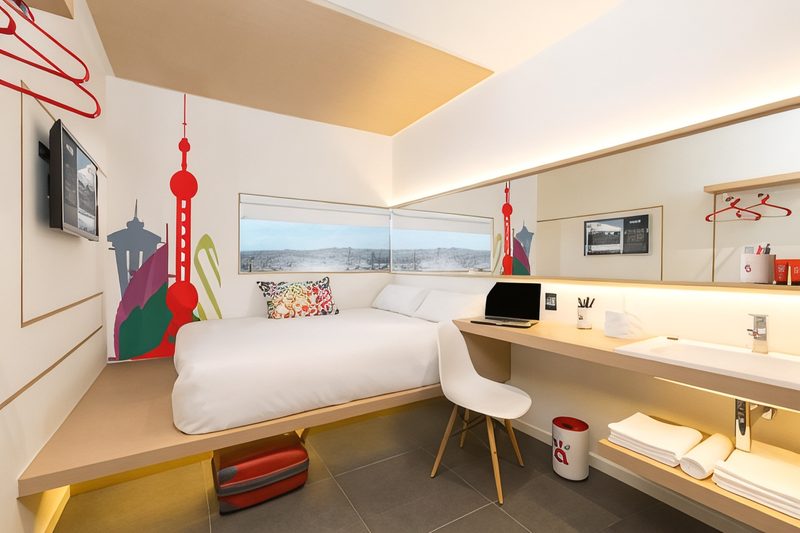
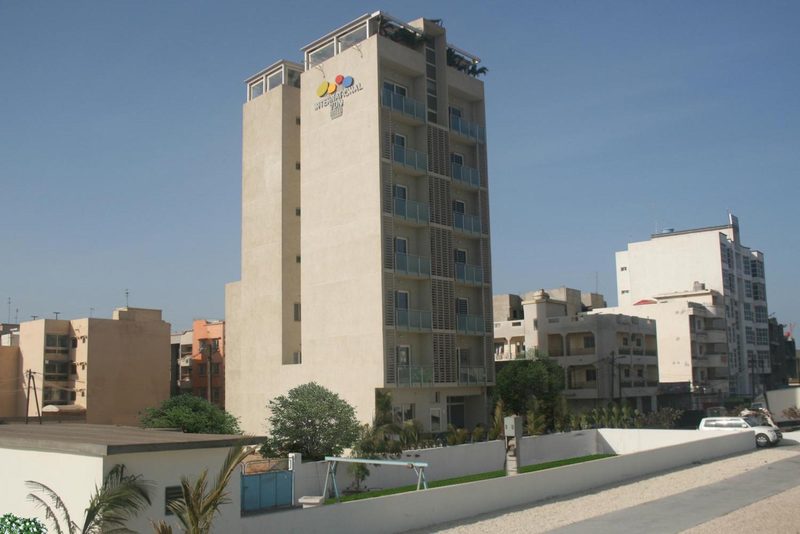
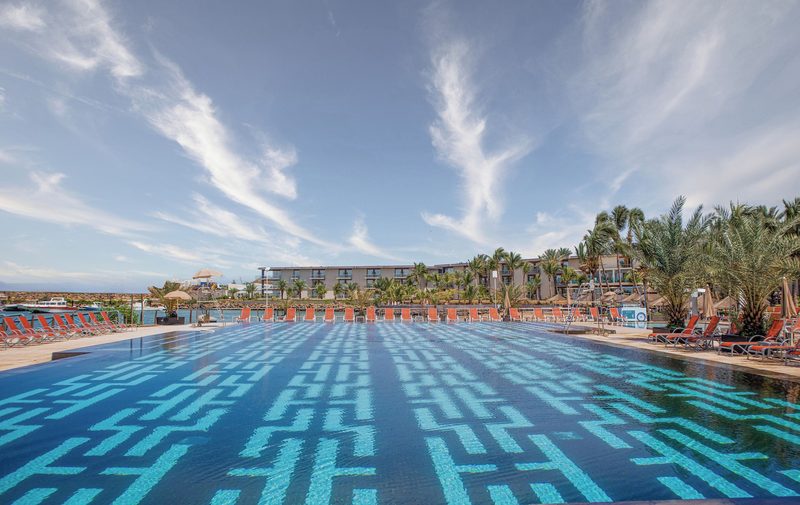
Where to Stay in Dakar in June
Hand-picked hotels across price tiers for June travellers.
Public Holidays in June
Dates that affect opening hours, transport and crowds
Whit Monday
Observed nationwide as a public holiday.
Packing Checklist
Bookmark this page — your progress is saved between visits
Need the full list with shopping links?
Climate-specific gear, brand recommendations, and what to leave at home.
View Dakar Packing List →Essential Tips
Insider knowledge and common pitfalls to avoid
Insider Knowledge
Café Touba is Dakar's real coffee, not espresso, not Nescafé. It is brewed from beans roasted with djar (Selim pepper) and sometimes cloves, poured from a kettle into small glasses at street stands all over the city. The flavour is peppery and warm, nothing like any coffee you have had, and it costs almost nothing. Look for the women with thermos flasks near any major intersection in the Plateau or Médina. Drink it standing up, the way everyone else does.
Ataya, the three-round Senegalese tea ceremony, is not a beverage, it is a social contract. When someone invites you to sit and share ataya, they are offering you time, which in Dakar is the most valuable thing. The first glass is bitter and strong, the second sweeter, the third gentle. The whole process takes an hour or more. Never rush it, never refuse it if you have the time, and never ask for sugar in the first round. This is where the real conversations happen.
Friday afternoons in Dakar essentially shut down for Jummah prayer. Markets thin out after noon, many shops close between roughly 1 PM and 3 PM, and traffic around the Grande Mosquée on Allées Papa Gueye Fall becomes gridlocked. Plan your Friday as a beach day or a Gorée trip rather than a market crawl. Saturday morning, by contrast, is when the Médina markets hit peak intensity.
Teranga, the Wolof concept of hospitality, is not a tourism slogan in Senegal, it is a lived social expectation. If you eat at a neighbourhood tangana and the person beside you pushes the best piece of fish toward your side of the communal bowl, accept it. If a family on Gorée invites you onto their terrace for bissap juice, go. These are not transactional interactions. Reciprocate with genuine attention and conversation, not with money, which can feel insulting in domestic settings.
Avoid These Mistakes
Spending the entire trip on Gorée Island and the Plateau without venturing into Dakar's actual neighbourhoods. Gorée is essential. But it is also a curated historical site. The city's living pulse is in the Médina's narrow streets at dusk, in Yoff's Lébou fishing village at dawn, in the grilled lamb smoke of an Ouakam dibiterie at midnight. Staying in the colonial quarter and the tourist corridor means seeing the frame without the painting.
Skipping malaria prophylaxis because Dakar feels urban and modern. It is urban and modern, and it is also equatorial West Africa at the start of mosquito season. The anopheles mosquito does not distinguish between a beachfront restaurant in the Almadies and a village compound in the Casamance. Start your prophylaxis before departure, take it through the trip, and finish the course after you return. This is not negotiable.
Photographing people without asking, at the fishing beaches and in markets. Dakar is not a zoo, and the fishermen at Soumbédioune and the vendors at Marché HLM are working, not posing. A brief greeting in Wolof, 'Nanga def?' (How are you?), followed by a gesture toward your camera gets you either a warm yes or a clear no, and both should be respected. Photographing without permission, photographing women, can escalate quickly from awkward to confrontational.
Short on time? See day trips around Dakar on GetYourGuide.
Ready to plan your trip to Dakar?
Now that you've got the research covered, here's where to go next.
Explore More Activities in Dakar
Didn't see anything interesting yet?
Browse Viator's full catalog of tours, day trips, food experiences, and private guides in Dakar.
See All Dakar Tours on Viator