Things to Do in Dakar in December
December weather, activities, events & insider tips
High Season · Book Early
December Weather in Dakar
Long-run averages for December
82°F (27°C)
High Temp
69°F (21°C)
Low Temp
0.0 inches (0 mm)
Rainfall
56%
Humidity
7
Sunny-Day UV
⚠ The Harmattan wind occasionally carries fine Saharan dust into Dakar during December, reducing visibility on the worst days and coating outdoor surfaces with grit. Dakar's coastal position keeps the effect milder than inland West African cities. Travelers with asthma or respiratory sensitivities should pack medication. Consider a dust mask or scarf for protection. The dry air also dehydrates skin and airways faster than the coastal setting suggests.
⚠ Atlantic currents along Dakar's beaches can be deceptively strong, off the Corniche and at the unguarded stretches north of Yoff. Swim only at beaches where local surfers, swimmers, or fishermen are present and active. Ask about conditions before entering the water. The undertow shifts with the tide and is not always visible from shore.
Making the most of December in Dakar? Browse tours and activities in Dakar on GetYourGuide.
Is December Right for You?
Weigh the advantages and considerations before booking
Advantages
- + Zero rainfall and the driest air Dakar sees all year. Every day is outdoor-plan reliable, with humidity hovering around 56% instead of the swampy 80% that August delivers. The sky stays cloudless from morning until the sun drops into the Atlantic. The temperature plateau around 27°C (81°F) keeps walking, market-hopping, and coastal excursions comfortable. Skip March and April. The brutal midday heat makes those months a slog.
- + The Senegalese diaspora floods home for the holidays. Dakar's cultural pulse accelerates in a way no other month replicates. Mbalax music spills from open doorways in the Médina. Family gatherings fill the Corniche with grilled lamb smoke and sabar drumming. The city operates at a pitch of social energy that visitors get swept into. Plan or not. This is Dakar at its most alive.
- + December's Atlantic conditions are good for water activities. The swell is consistent enough for surfing at Ngor and Yoff. The crossing to Gorée Island is smooth and predictable. The water temperature sits around 24°C (75°F), warm enough for extended time in the ocean without a wetsuit. The Harmattan's offshore morning winds groom the surf faces clean. Wait for the onshore breeze. It arrives later.
- + Clear Saharan light and low-angle December sun produce the best photographic conditions of the year. The golden-hour glow on Gorée Island's ocher walls. The silhouettes of pirogues against the Atlantic sunset. The sharp contrast of Dakar's skyline against cloudless blue skies. Photographers get a month-long window. The wet season's haze and the deeper Harmattan months' dust cannot match this clarity.
Considerations
- − Peak-season pricing bites hard. Flights into Blaise Diagne International Airport and accommodations across Dakar can run double or triple the rates you'd find in March or October. The diaspora homecoming compresses availability. Book late in December and you will pay. A premium for whatever's left.
- − The Harmattan wind occasionally pushes fine Saharan dust across the city. It coats surfaces with grit and drops visibility on the worst days. Dakar's coastal position keeps this milder than what inland West African cities endure. Enough to irritate throats. Enough to dry out skin. Your white laundry turns vaguely beige.
- − December's holiday crowds pack Dakar's restaurants, nightlife spots, and popular excursion routes. The Gorée Island ferry and the Almadies waterfront strip feel it most. Spontaneous dining and last-minute bookings that work fine in quieter months require patience here. Plan ahead. Advance planning saves headaches in December.
Settled on December? Compare hotel prices in Dakar for your dates on Trip.com.
Best Activities in December
Top things to do during your visit
December settles over Dakar like a long exhale. The rainy season ended weeks ago. The air has lost its heavy dampness. The city opens up under a dry, luminous sky. Daytime temperatures hold near 27 degrees Celsius, cooling to around 21 at night, a range that makes walking the corniche or lingering over grilled thiof at an outdoor terrace comfortable rather than an endurance test. There is no rain to speak of, zero millimeters on average. The harmattan has not yet gathered full force. Visibility across the Atlantic stays sharp. The light along the Plateau district turns golden an hour before sunset. For travelers weighing when to arrive, this is the dry season at its most forgiving, well before the dusty haze of late January and February. The city's rhythm in December carries a particular energy. Fishing pirogues line up along the Soumbédioune shore each afternoon. Their painted hulls, turquoise, marigold, crimson, get hauled onto sand that smells of salt and motor oil. Neighborhoods like Ouakam and Ngor hum with the clatter of domino tiles on metal tables outside corner shops. The scent of yassa onions caramelizing in lemon drifts from family compounds. Dakar's beaches, from the wide arc of Plage de Virage to the sheltered cove at Ngor, are swimmable and warm without the brutal midday sun of October. Evenings cool enough for a light layer. The rooftop bars along the Almadies strip fill early. The sound of mbalax percussion pulses from car speakers and open doorways. Restaurants across the city, from the seafood joints at Chez Loutcha in the Plateau to the upscale terraces of Almadies, seat diners outdoors without hesitation. For those wondering about safety, Dakar's central neighborhoods, Plateau, Mermoz, Almadies, Fann, are well-lit and walkable after dark. The usual awareness of any large West African capital applies. Keep valuables discreet. Take official taxis or ride-hailing apps at night. Accommodation options in Dakar range from guesthouses in the Medina, where you fall asleep to the hum of ceiling fans and wake to the azan from the Grande Mosquée, to international-standard properties near the Corniche Ouest with ocean-facing rooms. December is peak season for inbound tourism. Booking well ahead secures better rates and availability, along the coast and in the Almadies corridor. The weather in Dakar during December is reliably dry and warm, the kind of conditions that let you plan day trips without a backup itinerary for rain.

7 Days in Senegal Private Tour package
private_tourThis tour threads through the Sahel-edge landscapes of the interior. You'll see the baobab savannas outside Thiès. You'll navigate the shell-island channels of the Sine-Saloum Delta where the water tastes brackish and herons lift off the mangrove roots at your approach. You'll stand at the rose-tinged shallows of Lac Retba north of the capital. The itinerary covers ground that independent travelers struggle to link efficiently: the colonial-era architecture of Saint-Louis, the birdlife of Djoudj wetlands, and the Lompoul desert dunes where nights are dead silent except for wind over sand. Each day ends at locally owned lodges rather than chain hotels. Your guide adjusts the pace to the group. That might mean an extra hour watching Fulani herders move cattle across a laterite road. It might mean a longer stop at a village dye pit where indigo cloth hangs in the shade like dark curtains.
A single private itinerary stitches together Senegal's coastal, Sahelian, and riverine landscapes with a guide who navigates the logistics you cannot.
Insider tip: Ask your guide to schedule the Lac Retba visit for late afternoon when the salt harvesters are finishing work and the lake's pink hue deepens as the sun drops. Morning visits often coincide with tour-bus crowds from Dakar.
This month: December falls squarely in the dry season, meaning unpaved roads to interior sites like Lompoul and Djoudj are passable and river crossings in the Sine-Saloum are straightforward, unlike the July-through-September rains when some routes become impassable.

Gorée Island - Pink Lake excursion 2 persons minimum
day_tripThe twenty-minute crossing delivers you to an island that feels nothing like the capital you just left. Gorée's narrow lanes are paved in volcanic stone. They're lined with ochre and terracotta buildings whose shuttered windows frame bougainvillea cascading in magenta sheets. The Maison des Esclaves stands at the island's southern tip. Its dim interior stays cool against the heat outside. The smell of old plaster and sea air mixes in the low-ceilinged holding rooms. This place demands quiet and time, not a rushed photograph. After Gorée, this excursion continues north to Lac Retba. The water's salinity rivals the Dead Sea. The surface shifts from milky rose to deep coral depending on the angle of the light and the concentration of Dunaliella salga algae. Salt harvesters stand waist-deep. Their skin is coated in shea butter against the brine. They scrape the lake floor with wooden tools.
Two of Senegal's most singular landscapes, one historical, one geological, linked in a single day, with the emotional weight of Gorée balanced by the surreal beauty of Lac Retba.
Insider tip: Catch the first ferry to Gorée at 07:15 to have the island nearly to yourself for the first hour. By 10:00 the day-trip groups arrive. The lanes around the Maison des Esclaves become congested.
This month: December's zero rainfall and clear skies mean Gorée's fort ramparts offer unobstructed views back toward Dakar's skyline. Lac Retba's pink coloration tends to be more pronounced during the dry months when evaporation concentrates the algae.

Private Transfer DSS AIBD Airport - Saly Zone (two directions)
transportThis private transfer removes the negotiation and uncertainty of arranging transport on arrival. Your driver meets you at the terminal with signage, handles luggage, and delivers you directly to your accommodation in Saly, Somone, or Ngaparou. The route passes through the outskirts of Rufisque and the newer suburbs spreading south of the capital. You'll see construction cranes, mango orchards, and roadside vendors selling cashews in paper cones. The return direction works identically for departure. The vehicle is air-conditioned. That matters after a week in the Senegalese sun.
A fixed-rate door-to-door transfer eliminates the single most stressful logistics moment of arriving in an unfamiliar West African airport at night.
Insider tip: If your flight lands after 22:00, confirm with the operator the day before. Late arrivals sometimes face a gate change at Blaise Diagne. A pre-briefed driver knows which exit to wait at.

Discovery Senegal 8 Days 7 Nights
otherThis guided circuit covers more ground than any single day trip can. The itinerary typically moves from Dakar south through the Petite Côte to the Sine-Saloum Delta. You'll travel by pirogue through mangrove channels. The water is flat as glass at dawn. Kingfishers dart between the roots. Then you head north to Saint-Louis, the old French colonial capital whose jazz bars and crumbling pastel facades sit on a narrow island in the Senegal River. Between these anchors, there are stops in Touba to see the Grand Mosque's minaret, Africa's tallest. You'll spend nights in bush camps where the only sound after dinner is the rasp of crickets and the distant bark of a hyena. The pace is unhurried. Time is built in for markets, village visits, and unplanned detours when a guide spots something worth stopping for.
A week-long arc through Senegal's full ecological and cultural range, delta, desert, river, savanna, city, with the connective tissue that independent travel in this region rarely provides.
Insider tip: Pack a headlamp and earplugs for bush-camp nights. Bring a thin scarf for mosque visits, where bare shoulders and uncovered heads are not permitted.
This month: The dry season means the Sine-Saloum's channels are navigable and birdlife concentrates around shrinking water sources, improving sighting density for species like the pink-backed pelican.

Day Tour Bandia Wildlife Reserve and pink lake
guided_experienceBandia sits about an hour's drive from the capital along the new autoroute. It is a fenced reserve carved from dry woodland. You ride in an open-top vehicle past rhinos, giraffes, elands, and giant Derby eland, the world's largest antelope, browsing among baobabs whose bark is the color of elephant skin. The air smells of dry grass and laterite dust. The silence between animal sightings is punctuated only by the ticking of the engine cooling and the trill of a lilac-breasted roller overhead. After the reserve, the drive north to Lac Retba takes about ninety minutes. You'll arrive when the salt harvesters are at work in the shallows. Their mounds of harvested salt are brilliant white against the lake's pink water. You can wade in. The buoyancy is startling, like being held up by invisible hands. The sensation of the salt-saturated water on skin is silky, almost oily, nothing like ocean swimming.
Two experiences that exist nowhere else in coastal West Africa, a Sahelian wildlife reserve within day-trip range of a capital city, and a hypersaline lake that turns pink under direct sun.
Insider tip: Wear quick-dry clothing for the lake and rinse off thoroughly at the freshwater showers onsite. The salt concentration will irritate any small cut, so cover scrapes with waterproof plasters before wading in.
This month: December's dry conditions mean Bandia's vegetation is sparse enough for clear sightlines to wildlife. The unpaved tracks inside the reserve are firm and dust-free compared to the muddy ruts of September.

Mamelles Lighthouse and Ngor Island (Walking Tour)
walking_tourThe Mamelles Lighthouse, perched on one of the twin volcanic hills that give the neighborhood its name, is the westernmost point of continental Africa. The climb to its base rewards you with a panoramic view. The Atlantic spreads south toward the Almadies. The skyline of Plateau is visible through the haze to the east. The African Renaissance Monument looms on the adjacent hill like a Soviet-scale bronze caught mid-stride. The breeze at the summit is constant and cool even in Dakar's warmest months. It carries the faint iodine smell of kelp from the rocks below. From the lighthouse, the tour descends to the shore. You'll take a short pirogue crossing to Ngor Island, a low-lying patch of sand and rock just offshore where the pace drops to zero. Fishermen mend nets on the beach. Goats wander between seafood shacks. The water on the island's sheltered side is warm, clear, and calm enough for children.
A single morning that compresses Dakar's geographic identity, the westernmost point of mainland Africa, a volcanic ridgeline, and a car-free island, into a few hours of walking and one short boat ride.
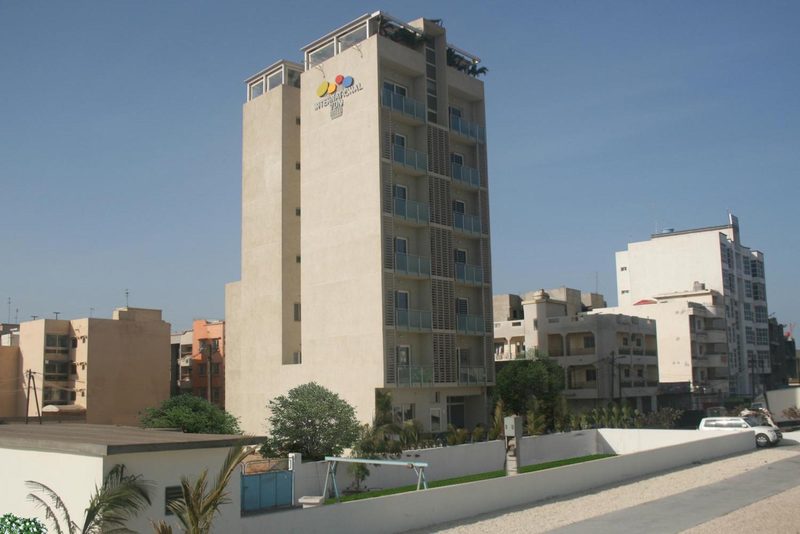
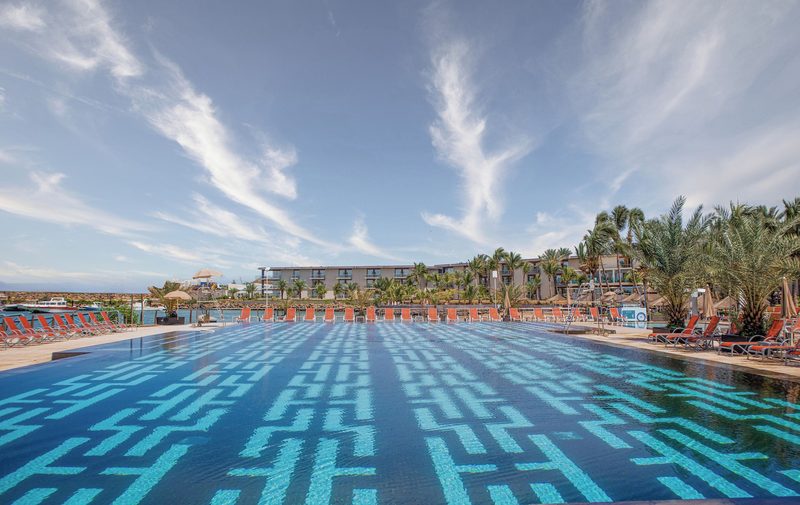
Where to Stay in Dakar in December
Hand-picked hotels across price tiers for December travellers.
Public Holidays in December
Dates that affect opening hours, transport and crowds
Christmas Day
Observed nationwide as a public holiday.
Christmas Day
Observed nationwide as a public holiday.
Christmas Day
Observed nationwide as a public holiday.
Packing Checklist
Bookmark this page — your progress is saved between visits
Need the full list with shopping links?
Climate-specific gear, brand recommendations, and what to leave at home.
View Dakar Packing List →Essential Tips
Insider knowledge and common pitfalls to avoid
Insider Knowledge
Dakar's December evenings feel cold to Senegalese. You will see locals wearing heavy jackets and woolen scarves at 21°C (69°F), which is their winter. This is not performance. Years of acclimatization to tropical heat make the drop real. It also means that rooftop terraces and beachfront spots that are packed in the warmer months thin out after sunset. You get the city's best views and most atmospheric dining without the usual competition for tables.
The African Renaissance Monument, the 49-meter (161 ft) bronze figure on the Collines des Mamelles that dominates Dakar's skyline from almost every vantage point, is worth visiting at sunset rather than midday. The interior elevator and stairway are stifling in the afternoon. The viewing platform at the summit catches the full Atlantic breeze. Watching the sun drop into the ocean from the highest point in the city justifies the effort. The monument is the answer to the frequently searched question about the massive statue of a man, woman, and child visible across Dakar.
Cafe Touba is Dakar's real coffee. Not the French-press espresso that tourist-facing spots tend to serve. It is brewed with diar, a Selim pepper, and cloves, producing a woody, almost camphor-like bite that is unlike anything in the European coffee tradition. Drink it standing at a street cart the way Dakarois do, poured from a metal kettle into a small glass. The flavor changes when it is served in a ceramic mug at a sit-down table. And not for the better.
If you are in Dakar over a weekend in December, ask your host or guide whether any lutte senegalaise bouts are scheduled. Senegalese wrestling is the national sport. The arena atmosphere is closer to a championship boxing match than a cultural demonstration. The mystical pre-fight rituals, the sabar drum corps hammering rhythms you feel in your sternum, and the sheer volume of the crowd when a wrestler hits the sand are sensory experiences no museum replicates. Bouts are announced on local radio and through neighborhood word-of-mouth rather than international booking platforms. A local connection is how you find them.
Avoid These Mistakes
Spending the entire trip on the Plateau and the Almadies waterfront strip without venturing into the Medina or the Lebou fishing communities at Yoff and Ouakam. Dakar's character lives in the neighborhoods where the streets narrow, the painted pirogues line the sand, and the call to prayer from a dozen mosques overlaps into a single reverberating hum at dusk. The tourist-facing Corniche is pleasant. It is not the city.
Underestimating Dakar's distances and traffic. The city sprawls across the entire Cap-Vert peninsula. A drive from the Plateau to the Almadies that would take fifteen minutes on an empty road regularly consumes over an hour in December's holiday congestion. The Dakar Dem Dikk buses and the blue-and-yellow car rapides, converted minibuses packed well past any reasonable capacity, are an experience in themselves. If you need to move efficiently between neighborhoods, negotiating a day rate with a driver beats hailing individual taxis in traffic.
Assuming Dakar is unsafe based on travel advisories that conflate the capital with the Casamance region 450 km (280 miles) to the south. Dakar is a functioning, densely populated capital with the same street-awareness requirements as any large city. Keep belongings secure in markets. Avoid unlit streets alone at night. Stay alert in crowds. December's holiday atmosphere puts more people on the streets at all hours, which tends to make central neighborhoods feel more populated and watched, not less.
Short on time? See day trips around Dakar on GetYourGuide.
Ready to plan your trip to Dakar?
Now that you've got the research covered, here's where to go next.
Explore More Activities in Dakar
Didn't see anything interesting yet?
Browse Viator's full catalog of tours, day trips, food experiences, and private guides in Dakar.
See All Dakar Tours on Viator