Things to Do in Dakar in January
January weather, activities, events & insider tips
High Season · Book Early
January Weather in Dakar
Long-run averages for January
78°F (25°C)
High Temp
65°F (18°C)
Low Temp
0.0 inches (0 mm)
Rainfall
52%
Humidity
8
Sunny-Day UV
⚠ Harmattan winds carry fine Saharan dust into Dakar throughout January, occasionally reducing visibility and coating surfaces in a gritty film. On heavier dust days the sky turns a milky white and outdoor photography loses contrast. If you are sensitive to particulate matter, carry a face covering and consider antihistamines. Pack accordingly.
⚠ Strong Atlantic currents along the exposed western beaches near Almadies and Ouakam can be dangerous for casual swimmers. Rip currents are not always visible and there are no lifeguards at most Dakar beaches. Swim only at beaches where you see locals in the water. Ask before entering unfamiliar breaks. Stay safe.
Making the most of January in Dakar? Browse tours and activities in Dakar on GetYourGuide.
Is January Right for You?
Weigh the advantages and considerations before booking
Advantages
- + January lands in Dakar's dry season. Zero rainfall. Clear Atlantic skies, day after day. Plan beach days, market wandering, outdoor excursions. Never check a forecast. The air feels lighter than the sticky humidity wall that descends from July through October. Evenings along the Corniche carry a dry coolness. Walking for hours feels comfortable.
- + Temperatures hold steady between 18°C (65°F) at night and 25°C (78°F) during the day. Explore on foot without wilting. August brings 30°C (86°F) highs and 80% humidity. January feels like a different city entirely. Spend a full afternoon crossing the Plateau district and Medina. No need to duck into shade every ten minutes.
- + Atlantic swells off the Almadies peninsula and Ngor reach peak consistency in January. Surfers arrive from across West Africa and Europe. Water temperature hovers near 21°C (70°F). Cool enough for a short wetsuit. Warm enough for long sessions. The surf break at Ouakam and the right-handers off Ngor Island are most reliable this month.
- + January falls within the peak window for visiting Lac Retba. The salt lake sits 35 km (22 miles) northeast of downtown. Dry conditions concentrate the Dunaliella salina algae that tint the water pink. Salt harvesters wade chest-deep into the lake. They are most active now. The colour shift is most dramatic in late-afternoon light. The surface turns from salmon to deep rose against the white salt crust along the shore.
Considerations
- − The harmattan wind blows off the Sahara in January. It carries fine mineral dust that settles on everything. Visibility across the city can drop. On heavier days the sky takes on a milky, washed-out quality. The Ile de Gorée ferry crossing loses its usual postcard clarity. Respiratory sensitivities? The dust load is noticeable. in open-air markets and along unpaved roads in the Medina.
- − January is Dakar's peak tourist season. Popular sites feel it. The House of Slaves on Gorée Island draws dense groups from mid-morning onward. Pirogue taxis to Ngor Island queue up by ten. Accommodation in the Almadies and Ngor neighbourhoods books out weeks ahead. You will pay dry-season premiums. Rooms cost significantly less in August.
- − The harmattan strips moisture from the air. Humidity drops to around 52%. Your skin, lips, and nasal passages dry out faster than expected. Coming from a humid climate? Prepare for this. The combination of sun, wind, and low moisture means dehydration sneaks up on you. Long days outdoors demand attention.
Settled on January? Compare hotel prices in Dakar for your dates on Trip.com.
Best Activities in January
Top things to do during your visit
Dakar in January sits deep inside the long dry season. The sky over the Cap-Vert peninsula holds a pale, salt-bleached blue from sunrise to sunset. Daytime temperatures hover near 25°C. Lows settle around 18°C at night. Rainfall is nonexistent. Not a single millimeter falls across the entire month. The air feels dry and light against the skin. It carries a faint mineral edge of laterite dust drifting in from the Sahel interior. Mornings along the Corniche break slowly. Fishermen at Soumbédioune haul pirogues onto the sand. Their hulls streak in turquoise and vermillion. The rhythmic thud of wooden pestles pounding millet echoes from courtyards in the Médina. By midafternoon the city smells of grilled thiof. This prized white grouper anchors Senegalese coastal cooking. It chars over open coals at informal restaurants tucked along Rue Félix Faure in the Plateau district. This dry, temperate window makes January one of the most comfortable months for exploring Dakar on foot. The beaches along the northern tip of the peninsula flatten into long, glassy swells. Ngor, Yoff, and the sheltered coves near the Almadies catch the late-afternoon light like hammered brass. Walking the steep, sand-dusted streets of Ouakam feels pleasant. The leafy avenues of Fann feel the same. This is an endurance test when the rains arrive. August alone brings over 165 millimeters of rainfall. September follows close behind with 137 millimeters. Dakar's lower roads turn into temporary rivers. January's bone-dry conditions favor day trips to the Petite Côte and points inland. The laterite roads connecting Bandia, Saly, and the salt flats near Lac Rose stay firm and passable. Visibility over the Atlantic stretches cleanly to the horizon. It doesn't dissolve into the gray curtain of the wet months.

7 Days in Senegal Private Tour package
private_tourThe 7 Days in Senegal Private Tour package compresses the country's full geographic sweep into a single week. You'll see the ochre-walled colonial quarters of Saint-Louis. Pelicans wheel above the Langue de Barbarie spit. The Senegal River runs slow and tea-colored beneath the iron Faidherbe Bridge. The marshlands of Djoudj await. Flocks of flamingos lift off the water in a single collective shudder of pink. The baobab-studded savanna of the interior spreads beyond. Dry-season light turns the landscape into a study in gold and charcoal. A private guide shapes each day around your pace. You can linger over a Casamance lunch of smoked oysters and palm wine when the afternoon heat flattens. You can arrive at Lac Rose before the salt harvesters finish their morning work.
A single week with a private guide covers Senegal's full ecological and cultural range. You'll travel from the Sahelian desert edge to the Atlantic mangrove coast. You won't face the logistical friction of self-navigation on unfamiliar roads.
Insider tip: Ask your guide to schedule the Saint-Louis leg early in the itinerary. The highway north of Dakar runs smoothest before midday traffic thickens. Arriving by late afternoon lets you watch the fishing fleet returning to Guet Ndar as the light turns golden over the river.
This month: January's zero rainfall and moderate temperatures make overland travel between regions more comfortable than the rainy months. Unpaved roads in the Casamance and interior can become impassable when wet.

Gorée Island - Pink Lake excursion 2 persons minimum
day_tripThe Gorée Island - Pink Lake excursion 2 persons minimum pairs two of Dakar's most emotionally weighted destinations in a single day. The ferry to Gorée takes roughly twenty minutes from the port at the foot of the Plateau. The island materializes through the morning light as a low ridge of coral-pink and ochre colonial buildings curtained in bougainvillea. The Maison des Esclaves stands at the island's southern tip. Its narrow doorway opens directly onto the Atlantic. The sound of waves slapping against the basalt foundation fills every room with a low, constant percussion. The afternoon leg brings you south to Lac Rose. The shallow saline water shifts between salmon and deep magenta depending on the angle of the sun. Salt harvesters wade chest-deep with calabash scoops. Their arms are coated in a white crust of shea butter to guard against the brine.
Gorée's architecture and historical weight paired with the otherworldly color of Lac Rose creates the most visually and emotionally concentrated day trip departing from Dakar.
Insider tip: Board the first ferry to Gorée at 07:15 to walk the island's narrow lanes before midday tour groups arrive. The early-morning light on the pastel facades is also far better for photographs.

Private Transfer DSS AIBD Airport - Saly Zone (two directions)
transportThe Private Transfer DSS AIBD Airport - Saly Zone (two directions) covers roughly eighty kilometers of highway through the scrubby, baobab-dotted outskirts south of Dakar. Roadside stalls sell cashews in paper cones. The sweet, ashy smell of charcoal kilns lingers in the air long after each village recedes in the rearview mirror. A prearranged private vehicle eliminates the negotiation with informal taxis crowding the terminal exit. It removes the uncertainty of shared sept-place vans. It delivers you directly to your accommodation along the Petite Côte's beachfront.
A fixed-rate private transfer removes the arrival-day friction of haggling outside one of West Africa's busiest airports. It gets you to Saly's coastal strip in roughly ninety minutes.
Insider tip: Confirm your driver's name and vehicle registration number before landing. Blaise Diagne's terminal exit funnels into a dense crowd of unofficial taxi touts. Having a prearranged contact visible on your phone saves considerable time and stress.

Discovery Senegal 8 Days 7 Nights
otherThe Discovery Senegal 8 Days 7 Nights itinerary stretches across the country's ecological seams. You'll travel through the mangrove channels of the Sine-Saloum Delta. The brackish water tastes faintly of salt and decaying shell. The roots twist into archways low enough to brush your head as the pirogue glides through. The red laterite plains near Niokolo-Koba spread beyond. Warthogs trot across clearings at dusk. The evening air fills with the high-pitched whine of cicadas. Eight days allows the rhythms of each region to settle in. You can watch women dye cotton cloth with indigo in a Casamance village. You can taste the smoky sweetness of freshly tapped palm wine in a Diola compound. You can sit inside the overlapping percussion of a sabar drum circle in a Serer community. The sound vibrates in your sternum.
Eight days moves you past Dakar's Atlantic edge into the interior landscapes and living cultural traditions that most short-stay visitors never encounter.
Insider tip: Pack a headlamp and a lightweight shell even in dry season. Power cuts are common in rural guesthouses after dark. The Sine-Saloum's pirogue excursions kick up salt spray that soaks through a cotton layer in minutes.
This month: January's dry conditions keep the unpaved tracks around Niokolo-Koba accessible. The river crossings in the Casamance stay low and fordable. This is a marked difference from the July-through-September rains, when vehicles can be stranded at swollen fords for hours.

Day Tour Bandia Wildlife Reserve and pink lake
guided_experienceThe Day Tour Bandia Wildlife Reserve and pink lake packs Dakar's two most popular inland excursions into a single outing. Bandia sits about an hour south of the capital behind a perimeter of thorny acacia. The reserve's open-vehicle circuits bring you within meters of white rhinoceros grazing in the red dust. Giraffes browse the flat crowns of fever trees. Giant eland stand nearby. Their heavy spiral horns catch the mid-morning light. The landscape smells of dry grass and warm earth. The occasional sharp green note of crushed euphorbia rises as the vehicle pushes through low scrub. After Bandia, the route swings toward Lac Rose. The flat expanse of brine glows in shades of salmon and coral beneath the afternoon sun. Salt harvesters move through the shallows in a slow, deliberate choreography of calabash and shoulder bag.
Bandia puts large African wildlife within an easy day trip of Dakar. You'll see rhinoceros, giraffe, eland, and buffalo. Pairing it with Lac Rose means two of Senegal's signature landscapes in a single outing.
Insider tip: Sit on the left side of the vehicle during the Bandia circuit. The main watering hole and the rhino area both fall on that side of the track. You'll get clearer sightlines without leaning across other passengers.
This month: Animals at Bandia concentrate near the reserve's permanent water sources during the dry months. January sightings are more predictable than in the wet season, when wildlife disperses across a broader range.

Mamelles Lighthouse and Ngor Island (Walking Tour)
walking_tourThe Mamelles Lighthouse and Ngor Island (Walking Tour) climbs the volcanic hill of Ouakam to the Phare des Mamelles. A whitewashed tower stands against open Atlantic sky. The view develops from the surf break at Yoff to the container cranes of the autonomous port. The enormous bronze silhouette of the African Renaissance Monument rises from the neighboring hilltop. The walk then descends through Ouakam's sandy lanes to Ngor beach. You board a hand-painted pirogue for the five-minute crossing to Ngor Island. The wooden hull rocks through the short chop. Salt spray mists your forearms. The island appears as a low crescent of sand and dark volcanic rock. It is ringed by the clearest water on the Cap-Vert peninsula. On the island the pace slows to near-stillness. Grilled fish arrives on tin plates in the sand. Calm waves lap on black basalt. Fresh-squeezed bissap has a tart cranberry bite in a plastic cup cold enough to bead with condensation.
This walk links Dakar's most commanding coastal viewpoint with its most tranquil offshore island. It covers the full altitude range of the city's volcanic geography in a single half-day arc.
Insider tip: Wear shoes with good grip for the climb to the lighthouse. The path is loose volcanic gravel. Carry cash for the pirogue crossing and lunch on Ngor Island. Neither the boatmen nor the island restaurants accept cards.
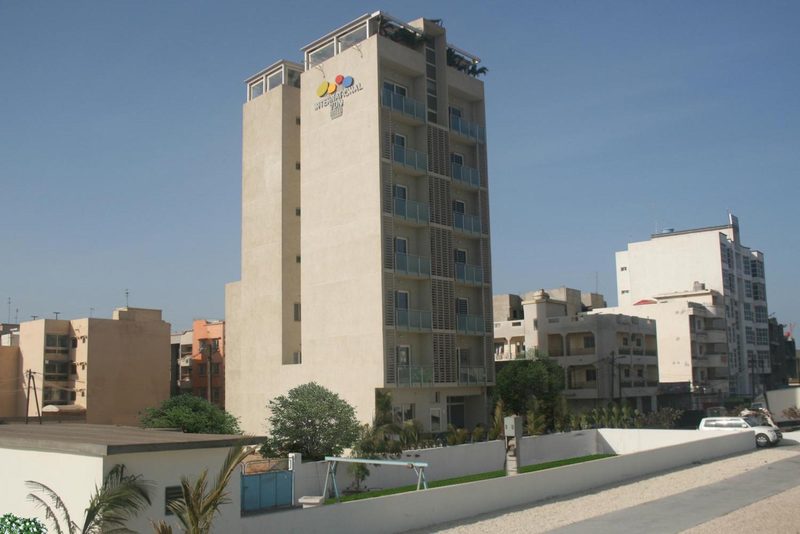
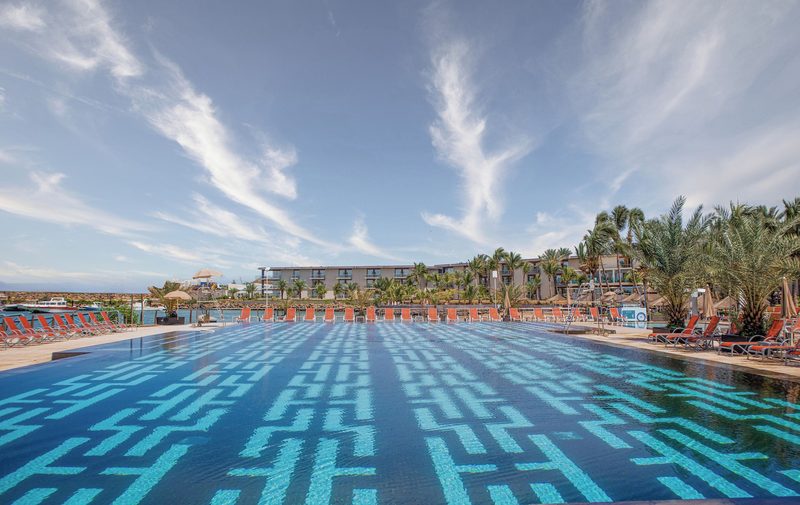
Where to Stay in Dakar in January
Hand-picked hotels across price tiers for January travellers.
Public Holidays in January
Dates that affect opening hours, transport and crowds
New Year's Day
Observed nationwide as a public holiday.
New Year's Day
Observed nationwide as a public holiday.
Packing Checklist
Bookmark this page — your progress is saved between visits
Need the full list with shopping links?
Climate-specific gear, brand recommendations, and what to leave at home.
View Dakar Packing List →Essential Tips
Insider knowledge and common pitfalls to avoid
Insider Knowledge
Dakar's new Blaise Diagne International Airport sits about 47 km (29 miles) from the city centre. The toll highway into town takes forty-five minutes to an hour. Traffic determines the time. The airport itself is modern and efficient. The taxi negotiation outside arrivals is not. Settle on a fare before getting in. Better yet, arrange a pickup through your accommodation. The highway toll adds cost. Some drivers try to tack it on after quoting a flat rate.
The Corniche Ouest runs from Ouakam to the Plateau. This coastal road is Dakar's best free experience. Locals treat it as a living room in January. From late afternoon onward the sea wall fills with joggers, tea sellers, families, and young men doing calisthenics on the rocks. The sun drops into the Atlantic. Walk the full 5 km (3.1 miles) stretch. You will pass through the city's entire economic spectrum. Start at the fishing pirogues hauled up on Soumbédioune beach. End at the walled embassy compounds in Fann. The light at sunset turns the Atlantic copper. The silhouette of the Mosque of the Divinity on the Ouakam clifftop is the photograph every resident of Dakar carries in their head.
Mbalax is percussive Wolof dance music. It was pioneered in Dakar. Experience it live in clubs and bars around Almadies and Sacré-Coeur. January weekend nights start late. Rarely before midnight. The sabar drum patterns anchor the music. You feel them in the chest before they reach the ears. The scene welcomes outsiders who dance rather than spectate. Ask locally for which venue has live sets that week. The schedule rotates among a handful of spaces.
The Monument de la Renaissance Africaine stands on the volcanic hill of Collines des Mamelles. It is 49 m (161 ft) of bronze showing a man, woman, and child. Opinion divides in Dakar. That debate is part of the experience. Some locals are fiercely proud. Others resent the cost and the North Korean firm that built it. The panoramic view from the observation deck in the figure's head is the best in the city. It sweeps from the Almadies peninsula to the port. January's clear mornings give you visibility all the way to Gorée. Go early. The harmattan haze thickens in the afternoon.
Avoid These Mistakes
Schedule Gorée Island for the morning. By eleven the ferries are packed and the House of Slaves corridor is shoulder-to-shoulder with tour groups. The first morning ferry delivers you to an island that still smells of night jasmine and cooking fires, with the lanes empty enough to hear your own footsteps on the cobblestones. By early afternoon you will wonder why you came. Worth it.
Never underestimate Dakar's traffic. The city's road network was built for a fraction of its current population, and the combination of car rapides, taxis, horse carts, and pedestrians creates gridlock that can turn a 3 km (1.9 mile) trip into a forty-five minute crawl. Build traffic time into every plan. Avoid crossing the city between seven and nine in the morning or five and seven in the evening. Use the Corniche route when possible rather than cutting through the Medina. Plan ahead.
Do not assume French is sufficient everywhere. Dakar is officially francophone. But Wolof is the street language, the market language, and the language of social trust. Even a handful of Wolof greetings, nanga def for how are you, jërëjëf for thank you, transforms interactions. Vendors in the Medina and Marché HLM respond to Wolof attempts with warmth that French alone does not unlock. Learn five phrases before you arrive. Use them constantly.
Short on time? See day trips around Dakar on GetYourGuide.
Ready to plan your trip to Dakar?
Now that you've got the research covered, here's where to go next.
Explore More Activities in Dakar
Didn't see anything interesting yet?
Browse Viator's full catalog of tours, day trips, food experiences, and private guides in Dakar.
See All Dakar Tours on Viator