Things to Do in Dakar in February
February weather, activities, events & insider tips
Shoulder Season · Good Value
February Weather in Dakar
Long-run averages for February
77°F (25°C)
High Temp
64°F (18°C)
Low Temp
0.0 inches (0 mm)
Rainfall
52%
Humidity
9
Sunny-Day UV
⚠ The Harmattan wind carries fine Saharan dust across the Cap-Vert peninsula throughout February, reducing visibility on heavier days and creating a persistent dry haze. The particulate irritates eyes and sinuses. It dries out skin and lips rapidly. It can aggravate respiratory conditions. Pack moisturizer, lip balm, saline nasal spray. Consider a light scarf for dusty mornings.
Making the most of February in Dakar? Browse tours and activities in Dakar on GetYourGuide.
Is February Right for You?
Weigh the advantages and considerations before booking
Advantages
- + February lands square in Dakar's dry season. Zero rain. Air that feels almost Mediterranean, not tropical. The Harmattan wind shoves humidity down to 52 percent. You can walk for hours along the Corniche Ouest without that West African wall of moisture that flattens visitors in July and August. Mornings on the Cap-Vert peninsula start around 18°C (64°F). The breeze carries salt and diesel from fishing pirogues launching off Soumbédioune. By midday the thermometer barely touches 25°C (77°F). For a coastal capital at 14 degrees north latitude, this is about as comfortable as it gets.
- + Atlantic visibility in February tends to be the clearest of the year, outside of Harmattan haze days. This makes the pirogue crossing to Île de Gorée and Île de Ngor reliable and calm. Swells stay consistent enough for surfing off Ngor Right. They rarely get rough enough to cancel boat transfers. The rainy months from July through September cannot offer this balance.
- + February is Senegalese wrestling season at full intensity. La lutte, the national sport, packs arenas with ten thousand spectators on weekend afternoons. The atmosphere hits different. Sabar drums pound so hard you feel the rhythm in your sternum. Wrestlers circle each other on the sand while griots chant their lineage. This is unlike any sporting event you have encountered elsewhere. Catching a major bout is straightforward in February. Promoters schedule marquee fights during the dry months when outdoor venues are usable.
- + The cool dry air makes Dakar's open-air markets bearable for extended browsing. Marché HLM, the large textile market where bolts of wax-print fabric lean in towers against corrugated walls, is a place you can lose two hours in February. The same visit would cause heat exhaustion in October. The same goes for the reconstructed Marché Kermel. The scent of dried hibiscus flowers and ground peanuts hangs in the vaulted hall. Vendors have time to talk. The tourist crush has not yet hit its March peak.
Considerations
- − The Harmattan carries fine Saharan dust across the peninsula. On heavier days it turns the sky a milky ochre that swallows the horizon. If you came for dramatic ocean-sunset photographs from Les Almadies, you might get three or four haze-dimmed evenings in a row before the wind shifts. The dust also dries out skin and sinuses. This surprises travelers from humid climates. Your lips will crack by day two. Pack a serious balm.
- − February falls in Dakar's high season. Accommodation in the Plateau and Almadies neighborhoods books up faster than the rest of the year. Rates climb noticeably above the rainy-season baseline. This is not Bali-level inflation. But if you are watching your budget, the difference between a February visit and a November visit is real. This applies to guesthouses and mid-range spots near the Corniche.
- − The cool-season temperatures that make daytime walking so pleasant also mean evenings can feel chilly by Dakar standards. They drop to 18°C (64°F) or lower with the Harmattan wind factored in. Open-air rooftop restaurants in the Almadies that are perfect at eight in the evening in June will have you wishing you had brought a layer by nine in February. It is a minor inconvenience. It catches first-time visitors off guard. They packed for Africa, not for something that occasionally feels like a mild autumn night.
Settled on February? Compare hotel prices in Dakar for your dates on Trip.com.
Best Activities in February
Top things to do during your visit
February arrives on a current of dry, mild air. Daytime temperatures settle near 25 degrees Celsius. After dark, the city cools to a gentle 18 degrees. That kind of evening warmth pulls residents out of their compounds and into the streets. Rain is nonexistent this month. The sky stays an unbroken pale blue from dawn until the sun drops behind the Atlantic in a band of copper and violet. The Harmattan, that continental wind carrying fine Saharan dust, still makes its presence felt in February. It lends the horizon a hazy, sepia-tinged quality. It dries the salt from your skin almost as fast as the ocean spray lands. The air carries the scent of grilling thiof from seaside grills along the Corniche. That scent mixes with diesel exhaust and the sharp mineral smell of laterite dust. This is Dakar at its most navigable. Without the downpours that turn unpaved streets into red-clay rivers from July through September, every corner of the city and its surroundings stays accessible. Fishermen at Soumbédioune beach haul in their painted pirogues at midmorning. The wet hulls thud against packed sand. Women sort the silver catch into plastic basins. The Plateau district, Dakar's administrative heart, feels unhurried compared to the crush of the rainy season. Back then, office workers and merchants crowd under awnings waiting for squalls to pass. In the Medina, narrow lanes pulse with the clatter of sewing machines from tailor shops. The low crackle of attaya tea brews on portable charcoal stoves. Sweet mint steam curls upward into still air. February is also peak season for the beaches that ring the Cap-Vert peninsula. The Atlantic off Ngor, Yoff, and the Almadies runs cooler than in the summer months but remains swimmable. The absence of rain means consistent surf conditions along the rocky points where Dakar's growing community of surfers congregates. Restaurants across the city lean into the season's catch. Thiéboudienne arrives on wide communal platters. The rice is stained amber with tomato and tamarind. Chunks of grouper nestle beside bitter eggplant and sweet carrot. Nightlife in Dakar runs late regardless of the calendar. The dry-season months pull more of it outdoors. Mbalax music spills from open-air venues in Sacré-Coeur and the Almadies well past midnight. The percussive sabar drums are felt as much in the chest as heard by the ears.

7 Days in Senegal Private Tour package
private_tourSeven days in Senegal with a private guide peels back the country layer by layer. You'll move from Dakar's dense, salt-aired peninsula into the baobab savannas of the interior. You'll see the river estuaries of the Sine-Saloum Delta. You'll walk the colonial-era architecture of Saint-Louis at the mouth of the Senegal River. The itinerary folds in cultural encounters that a self-guided traveler would struggle to arrange independently. That means time with Serer communities. Visits to Mouride holy cities. Meals in family compounds where the ceebu jën arrives still sizzling from the outdoor kitchen. With a dedicated vehicle and guide managing the long stretches between regions, the week develops without the logistical friction that can swallow entire days in West African travel.
A single week covers Dakar, the Petite Côte, Sine-Saloum, the Casamance approach, and Saint-Louis, with a private guide who translates not just language but context.
Insider tip: Ask your guide to schedule the Saint-Louis leg for a morning when the Guet Ndar fishing quarter is landing boats. The controlled chaos of hundreds of pirogues arriving at once is the most photogenic hour in northern Senegal. The catch goes to market within the hour.
This month: February's zero rainfall and moderate temperatures make overland travel between regions far more comfortable than the July-through-September wet season, when laterite roads in the interior can become impassable.

Gorée Island - Pink Lake excursion 2 persons minimum
day_tripThe morning ferry to Gorée Island takes twenty minutes from Dakar's port. That is just long enough for the city's concrete skyline to soften behind you. The ochre and pink facades of Gorée sharpen into focus. The island itself is barely a few hundred meters across. Its cobblestone lanes stay almost silent except for the scrape of flip-flops and the low conversations drifting from shaded courtyards hung with bougainvillea. The House of Slaves stands at the southern end. Its dark interior and the narrow Door of No Return open directly onto blue-green Atlantic swells. It is a confrontation with history that no photograph fully conveys. This excursion pairs the island with Lac Rose, the shallow salt lake northeast of Dakar where the water shifts between shades of strawberry and dusty mauve depending on the light and the concentration of Dunaliella salga algae.
Two of Senegal's most singular landscapes in a single day, one shaped by human tragedy and the other by microbiology, both impossible to experience anywhere else on the continent.
Insider tip: Visit the House of Slaves early. The first ferry from Dakar arrives before most tour groups. The small rooms and courtyard fill quickly by late morning. At Lac Rose, wade in at the southeastern shore where the salt crust underfoot is thickest and the water's pink hue most saturated.
This month: February's bone-dry conditions and intense sunlight deepen the pink coloration of Lac Rose, as evaporation concentrates the salt that feeds the algae responsible for the color.

Private Transfer DSS AIBD Airport - Saly Zone (two directions)
transportBlaise Diagne International Airport sits roughly 45 kilometers from central Dakar. The road south to the Saly resort zone adds another stretch through the scrubby outskirts of Rufisque and the Petite Côte. A prearranged private transfer eliminates the negotiation theater that greets arriving passengers at the terminal exit. There, a scrum of unofficial taxi drivers competes for fares with varying degrees of persistence. The vehicle meets you inside the arrivals hall, air-conditioned against the dry warmth outside. The drive to Saly follows the coastal highway past baobab trees and small fishing villages where the smell of smoked fish hangs in the still air.
The distance between the airport and the Petite Côte is too far for an improvised taxi negotiation after a long-haul flight, and a confirmed pickup with a set route removes the single most stressful hour of arriving in a new country.
Insider tip: Confirm with the operator which terminal you arrive at, since AIBD handles both international and a smaller domestic operation, and the pickup points differ. If your flight lands after dark, the highway has minimal lighting south of Rufisque, so a driver who knows the road is safer than a rideshare.

Discovery Senegal 8 Days 7 Nights
otherEight days and seven nights across Senegal compresses the country's geographic range into a single itinerary. It moves from the Atlantic coast to the interior savannas and back. The route typically threads through Dakar. You'll see the Sine-Saloum mangrove delta where oysters cling to submerged roots and herons stand motionless in tidal channels. You'll visit the wildlife territory of the Petite Côte. You'll walk the faded grandeur of Saint-Louis, where crumbling French colonial buildings line streets that still feel like a 19th-century trading post. Nights split between city hotels and upcountry lodges. The soundtrack shifts from Dakar's mbalax-filled nightlife to the rasp of crickets and the distant call of a muezzin in a village mosque.
This itinerary covers the ecological and cultural breadth of Senegal without requiring independent logistics in a country where bus schedules and road conditions reward local knowledge over smartphone maps.
Insider tip: Pack a headlamp and closed-toe shoes for the Sine-Saloum segment, where evening walks through mangrove channels happen on narrow earthen paths, and the biodiversity at dusk, including fiddler crabs and mudskippers on exposed flats, is visible only at close range.
This month: February falls squarely in Senegal's dry season, when the interior roads between regions stay firm and river crossings in the Sine-Saloum are passable without detours.

Day Tour Bandia Wildlife Reserve and pink lake
guided_experienceBandia Wildlife Reserve occupies a stretch of dry forest and savanna about an hour's drive southeast of Dakar. It is fenced and managed as a conservation zone where West African species that vanished from the wild roam behind perimeter walls. A guided vehicle circuit through the reserve brings you within a few meters of white rhinos grazing on tawny grass. You'll see giraffes pulling acacia leaves with dark tongues. Troops of patas monkeys skitter across red-dirt tracks. The drive ends with a transfer to Lac Rose, where the lake's shallow, hyper-saline water shifts through shades of pink under the dry-season sun. Salt harvesters wade chest-deep, their skin coated in shea butter against the brine. They scrape crystals from the lakebed into waiting pirogues.
Bandia is the only place within day-trip range of Dakar where you can see large African mammals in a semi-wild habitat, and pairing it with Lac Rose creates a day that swings from savanna to surreal shoreline.
Insider tip: Bring binoculars for the reserve's birdlife, which is easily overlooked when the large mammals dominate attention. Abyssinian rollers and yellow-billed shrikes perch in the acacias along the circuit road, and the guides will stop if you ask. At the lake, the salt harvesters are generally happy to let you photograph their work. But ask first and tip at the end.
This month: The reserve's dry-season landscape in February strips back the foliage, making animal sightings significantly easier than in the lush, overgrown months of August and September.

Mamelles Lighthouse and Ngor Island (Walking Tour)
walking_tourThe walk begins at the Mamelles, the twin volcanic hills that anchor the western tip of Dakar's peninsula. The lighthouse perched on the higher summit offers an unobstructed sweep of the Atlantic. The city's skyline recedes to the east. The open ocean stretches west toward nothing but the Cape Verde islands hundreds of kilometers away. The wind at the top carries the tang of salt and the faint sulfuric note of seaweed drying on the rocks below. From there, the route descends through the Ouakam neighborhood. You'll pass the painted walls of family compounds and small mosques. You'll reach the embarkation point for Ngor Island, a sliver of sand and rock a five-minute pirogue ride offshore. Ngor feels like a village transported fifty years into the past. Its sandy lanes are lined with low buildings and fishing nets spread out to dry. The only engine noise is the occasional outboard bringing passengers from the mainland.
Standing at the Mamelles Lighthouse is the single best way to understand Dakar's geography, the narrow peninsula jutting into the Atlantic, and the pirogue crossing to Ngor compresses a full change of atmosphere into a five-minute boat ride.
Insider tip: The lighthouse keeper sometimes allows visitors up the interior stairs for an elevated view beyond what the terrace offers. But this is informal and depends on his mood. Approach politely and in French or Wolof. On Ngor Island, walk past the first cluster of beachside restaurants nearest the landing to find quieter stretches of sand on the island's western edge, where the waves break harder but the crowds thin to almost nothing.
Where to Stay in Dakar in February
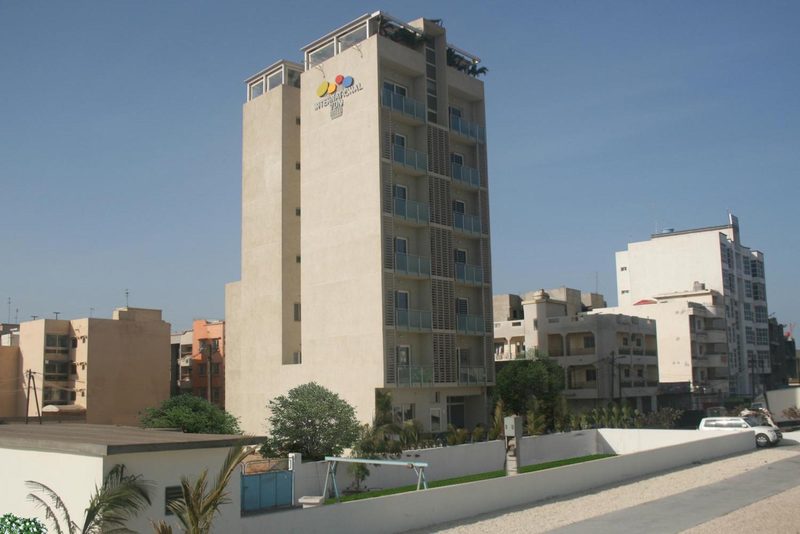
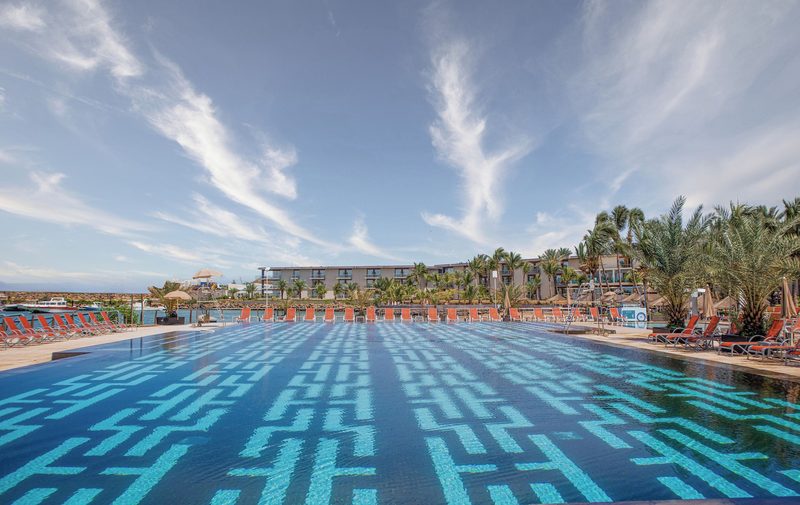
Hand-picked hotels across price tiers for February travellers.
Packing Checklist
Bookmark this page — your progress is saved between visits
Need the full list with shopping links?
Climate-specific gear, brand recommendations, and what to leave at home.
View Dakar Packing List →Essential Tips
Insider knowledge and common pitfalls to avoid
Insider Knowledge
The neighborhoods where you stay in Dakar shape the trip more than most cities. The Plateau is walkable and central, with the colonial-era bones of the city right outside your door. But it empties out after dark. Les Almadies and Ngor have the nightlife, the restaurants, and the ocean access. This is where the mbalax music clubs pulse until three in the morning. It is a solid taxi ride from the historical core. Mermoz and Sacré-Coeur split the difference. They are residential enough to feel like you are in a real Dakar neighborhood rather than a tourist corridor, with enough restaurants and cafés that you will not feel stranded. For a first visit in February, the Almadies-to-Ngor stretch is likely your best bet for a base.
Café Touba is the drink you did not know you came for. Brewed from coffee beans roasted with djar, the dried fruit of the Selim pepper tree, and sometimes cloves, it has a smoky-spicy kick that tastes like nothing in your coffee experience. Street vendors sell it for almost nothing from thermoses at every major intersection. The ritual of drinking it, standing on a sidewalk at seven in the morning while the city wakes up and the fishing boats launch, is one of Dakar's small perfect moments. Ask for it sweet. Otherwise it is bitter enough to make you wince.
Dakar is generally safe for visitors. But the Medina and Plateau after dark require the standard urban awareness you would apply in any large city. Petty theft, phone snatching from open hands, is the most common issue. The beaches at night are not advisable. During the day, the city operates on a level of street-level courtesy rooted in teranga, the Wolof concept of hospitality, that will probably surprise you. Accept the tea invitations when offered in shops and workshops. Three rounds of attaya tea, each progressively sweeter, is a social ritual, not a sales tactic. The conversations over those small glasses will give you more insight into Dakar than any guidebook.
For Dakar's nightlife, the mbalax clubs in Les Almadies do not start moving until midnight. The real energy hits around one or two in the morning. If you show up at ten expecting a scene, you will be sitting alone. The live music venues, where percussionists and vocalists perform Senegalese styles from mbalax to Afro-jazz, tend to run earlier sets starting around nine. These are often a better entry point for visitors unfamiliar with the rhythm of a Dakar night out. February's pleasant temperatures make the walk between venues comfortable rather than the sweat-soaked march of the rainy season.
Avoid These Mistakes
Avoid photographing people, in markets and the Medina, without asking permission first. Senegalese culture places real weight on consent around images. Pointing a camera or phone at someone without a greeting and a request is considered disrespectful. The vendors at Soumbédioune and Marché HLM will often happily pose once asked. The assumption that a market scene is yours to capture will generate cold responses fast. Learn the Wolof phrase 'Ndax maa ne sa nataal?' and watch the dynamic shift entirely.
Avoid underestimating the Harmattan's physical effects and treating February like a beach holiday without preparation. The dry Saharan air dehydrates you faster than you realize because you are not sweating visibly. The dust accumulates in sinuses and on contact lenses in a way that ruins mornings if you have not packed eye drops and nasal spray. Travelers from humid climates are caught off guard. Drink more water than feels necessary. Moisturize before bed.
Skipping the peripheral destinations because Dakar itself feels full enough. Gorée, Lac Rose, and Bandia are not day-trip afterthoughts. They are some of the most powerful experiences Senegal offers. February's dry, clear conditions make them all at their best. Spending five days entirely within Dakar's city limits is like visiting New York and never crossing a bridge. Budget at least two full days for excursions outside the peninsula.
Short on time? See day trips around Dakar on GetYourGuide.
Ready to plan your trip to Dakar?
Now that you've got the research covered, here's where to go next.
Explore More Activities in Dakar
Didn't see anything interesting yet?
Browse Viator's full catalog of tours, day trips, food experiences, and private guides in Dakar.
See All Dakar Tours on Viator